27 July 2026
A guide to Bury St Edmunds
A visitor guide to Bury St Edmunds, Suffolk: the free Abbey Gardens and ruins, the cathedral, a Regency playhouse and Britain's smallest pub.
Bury St Edmunds is the rare English town that has genuinely major history and still functions as somewhere ordinary. There are abbey ruins in a free public garden that over a million people walk through every year, a cathedral that only got its tower in 2005, the last working Regency playhouse in Britain, a brewery that still brews in the centre of town, and the smallest pub in the country. There is also a shopping centre, a Primark and a Wednesday market where people buy their vegetables. All of that is the same place.
Key takeaways
- The Abbey Gardens and the ruins in them are free, and among the most visited free attractions in England.
- St Edmundsbury Cathedral finished its Millennium Tower in 2005, six centuries after the rest of it.
- The Theatre Royal is the only surviving Regency playhouse in Britain still staging shows, and the National Trust owns it.
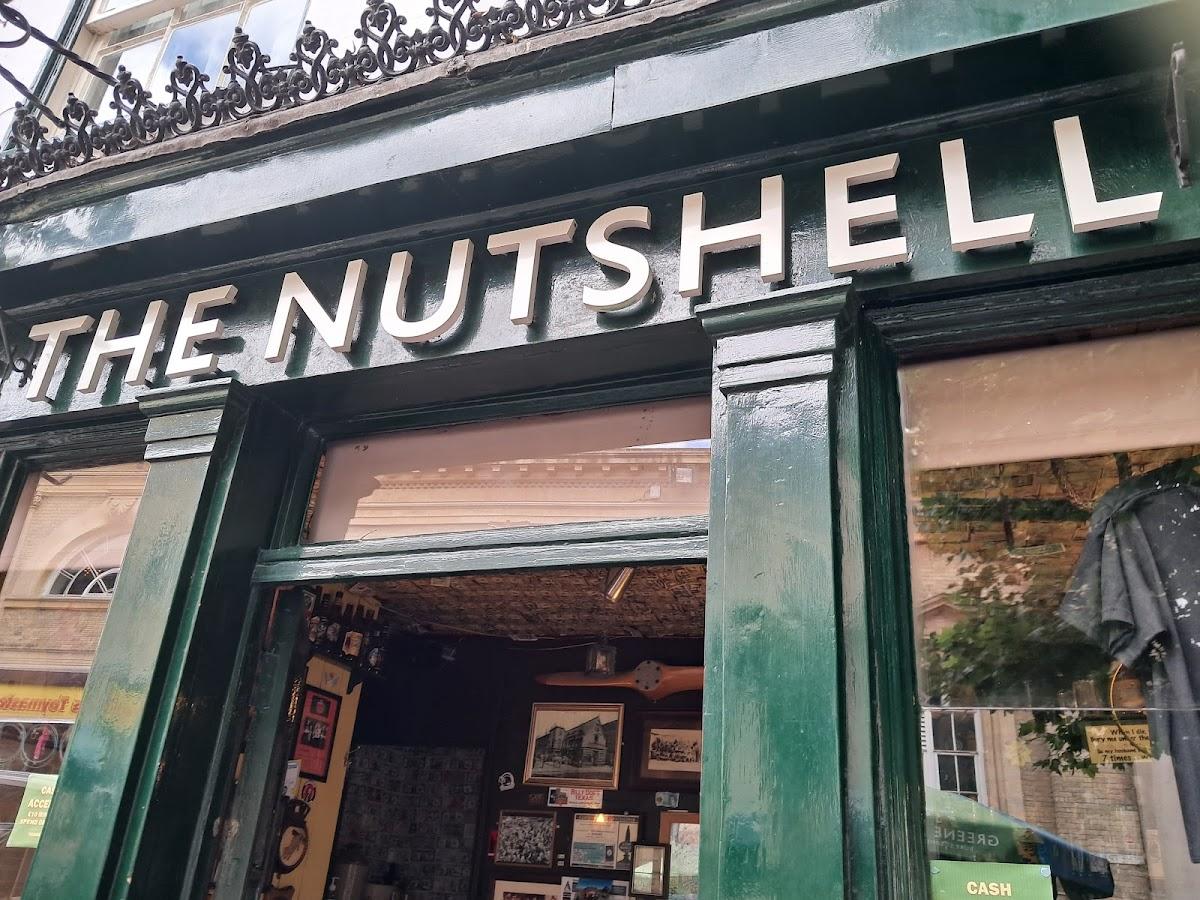
- The Nutshell has a bar measuring 15ft by 7ft and the Guinness record for Britain's smallest pub.
- Market days are Wednesday and Saturday, and the station is a ten minute walk from the centre.
What Bury St Edmunds actually is
Bury St Edmunds grew up around one of the richest and most powerful Benedictine monasteries in England, the Abbey of St Edmund, which held the shrine of the martyred Anglo-Saxon king the town is named after. The abbey was dissolved in the sixteenth century and largely quarried away, but its footprint still dictates the shape of the town: the medieval street grid, the two great gates, and the ruins now standing in a public park.
The rest of the centre is Georgian, laid over that medieval plan. It is a compact, walkable town of a few tens of thousands of people, and the visitor part of it is small enough to cover on foot in an afternoon.
The important thing to grasp before arriving is that it is a working town, not a heritage site with a town attached. That shapes what a visit here feels like, and it is worth being straight about, so there is a section on it further down.
Getting there and parking
By road. Bury St Edmunds sits on the A14, the main route between the Midlands and Felixstowe, with three junctions serving it. Take junction 42, Westley Interchange, for the west side, junction 43, St Saviours, for the centre, and junction 44, Moreton Hall, for the east.
By train. Bury is on the Ipswich to Ely line, run by Greater Anglia, with direct hourly services from Ipswich (about 38 minutes), Cambridge (about 38 minutes, via Newmarket) and Peterborough.
There is no direct train from London. You change at Cambridge for King's Cross, which comes to roughly 1 hour 49 minutes door to door. Anyone travelling from the capital should plan for the change rather than assume a through service.
The station sits about half a mile north of the town centre, a walk of ten minutes or so, downhill on the way in, with a bus stop outside if you would rather not.
Where to park, and the one that saves you money. For the full day out described below, Ram Meadow is the answer: £3.50 for the whole day, or £3.00 for three hours, with a weekly ticket at £10.50. It is a few minutes further from Angel Hill than the alternatives and roughly half the price.
arc-Cattlemarket is the short-stay option, closest to the shops at about two minutes' walk, and priced accordingly: £3.20 for two hours and £6.20 for four. Charging runs Monday to Saturday 8am to 8pm and Sunday 10am to 4pm. Paying through the RingGo app adds a 20p surcharge over cash or card. Parkway is the other central option.
Those are the West Suffolk Council rates set in May 2025. Tariffs are set at the February budget and change in the spring, so check the machine before you rely on the figures here.
On a market day, arrive before mid-morning. Wednesday and Saturday bring shoppers in from across west Suffolk on top of visitors, and the central car parks are the first to go.
When to go
Wednesday or Saturday if you want the market, which is the single best reason to pick a day. Saturday is the larger of the two.
Beyond that, Bury works year round because most of what you have come for is either indoors or is a garden that looks good in every season. The Abbey Gardens in high summer are genuinely lovely and in February the ruins are more legible without the leaves.
The town does a substantial Christmas market in late November, and runs food and arts festivals through the year, which is worth checking against your dates.
Local knowledge
Walk into the Abbey Gardens through the Abbey Gate on Angel Hill rather than approaching from the car parks at the back. It is the fourteenth-century gate the abbey used, it frames the whole garden as you come through, and it gives you the sense of scale that the ruins on their own do not. Two minutes' difference in walking, and it changes how the place reads.
Things to do in Bury St Edmunds
The core of a visit is small and close together. Everything below is within about ten minutes' walk of Angel Hill.
- The Abbey Gardens and the abbey ruins, free, and the reason most people come.
- Cornhill Market on Wednesdays and Saturdays, the town's twice-weekly street market.
- St Edmundsbury Cathedral, including tower tours up the Millennium Tower.
- The Norman Tower, the abbey's twelfth-century gatehouse, now the cathedral's detached bell tower.
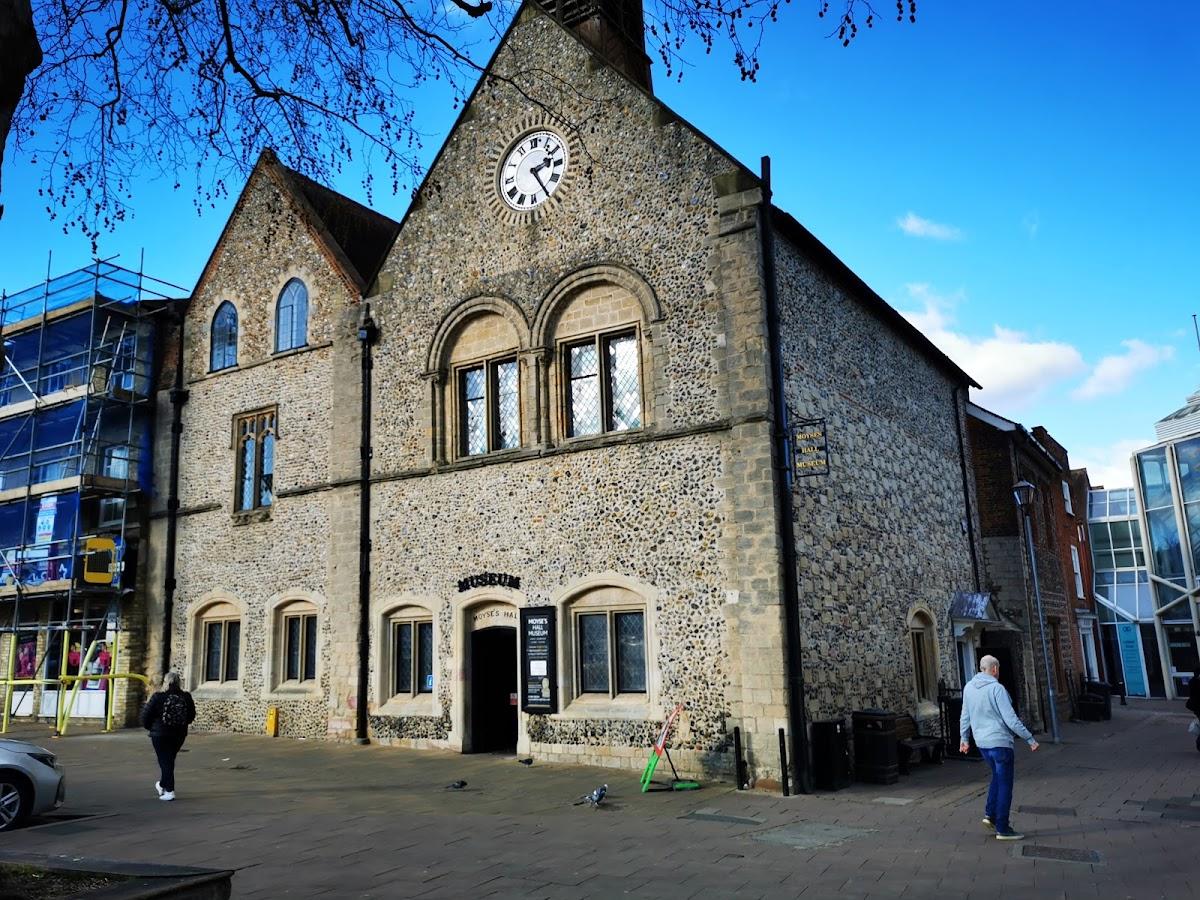
- Moyse's Hall Museum on the Cornhill, in a twelfth-century merchant's house, covering the town's history and some genuinely macabre local crime exhibits.
- The Theatre Royal, which you can tour as a building as well as see a show in.
- The Greene King brewery, with tours from the Westgate Brewery.
- The Nutshell, Britain's smallest pub.
- The Apex, the modern concert hall, and the Everyman cinema.
- The Suffolk Regiment Museum at the Keep, a short way out.
Slightly further afield, Ickworth at Horringer is the National Trust's Italianate rotunda house and park, about three miles south west, and is a half day on its own. Nowton Park and Bradfield Woods are the local green spaces if you want a walk.
The Abbey Gardens, the ruins and the cathedral
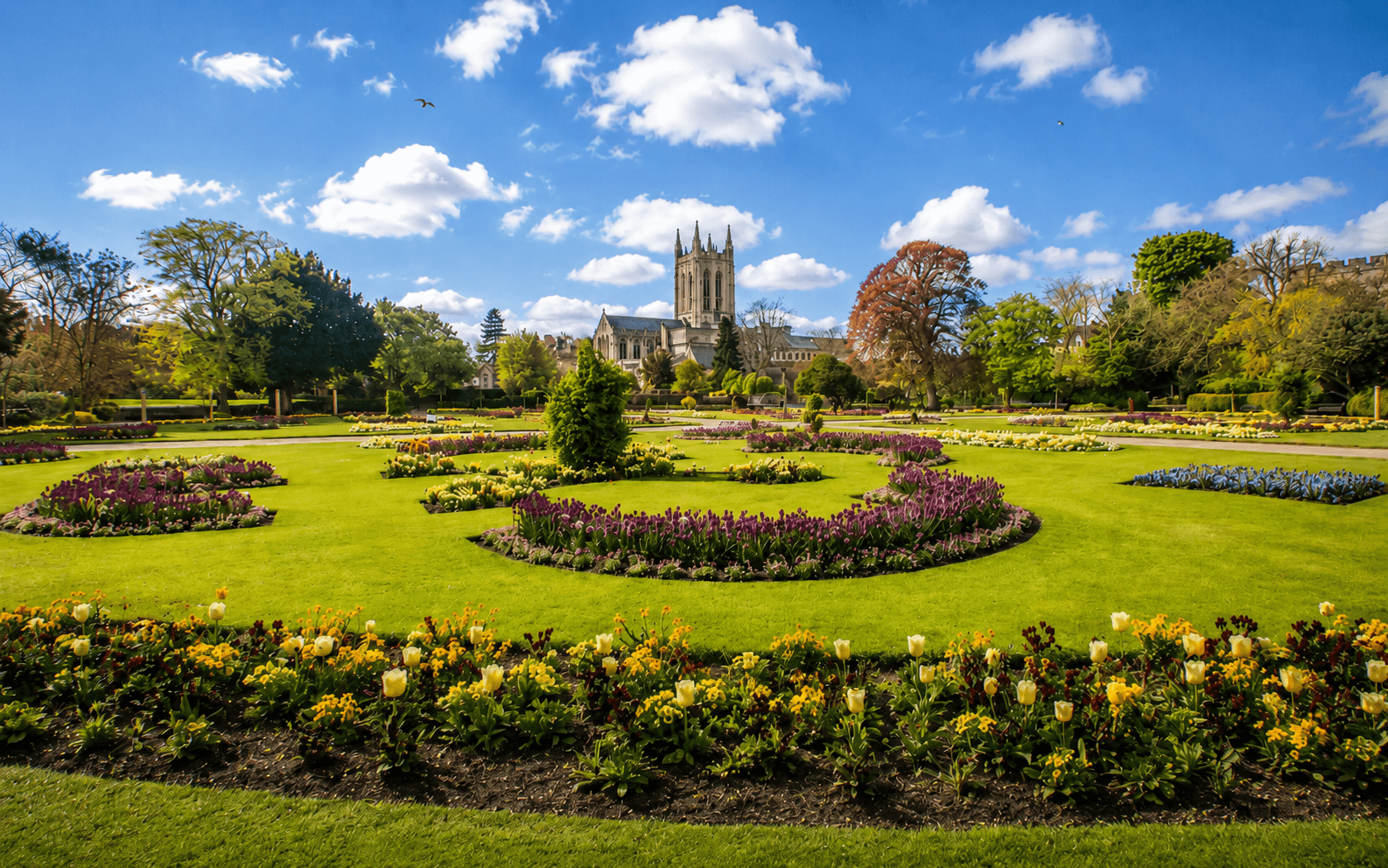
The Abbey Gardens are 14 acres of public park laid out inside the precinct of the vanished abbey, and they are free to enter. VisitEngland's 2023 survey recorded 1,345,058 visitors, making them the most visited free attraction in the East of England and a top twenty free attraction nationally. The ranking moves about year to year, and in 2021 they came fourth in England, behind only Brighton Pier, the Natural History Museum and the British Museum.
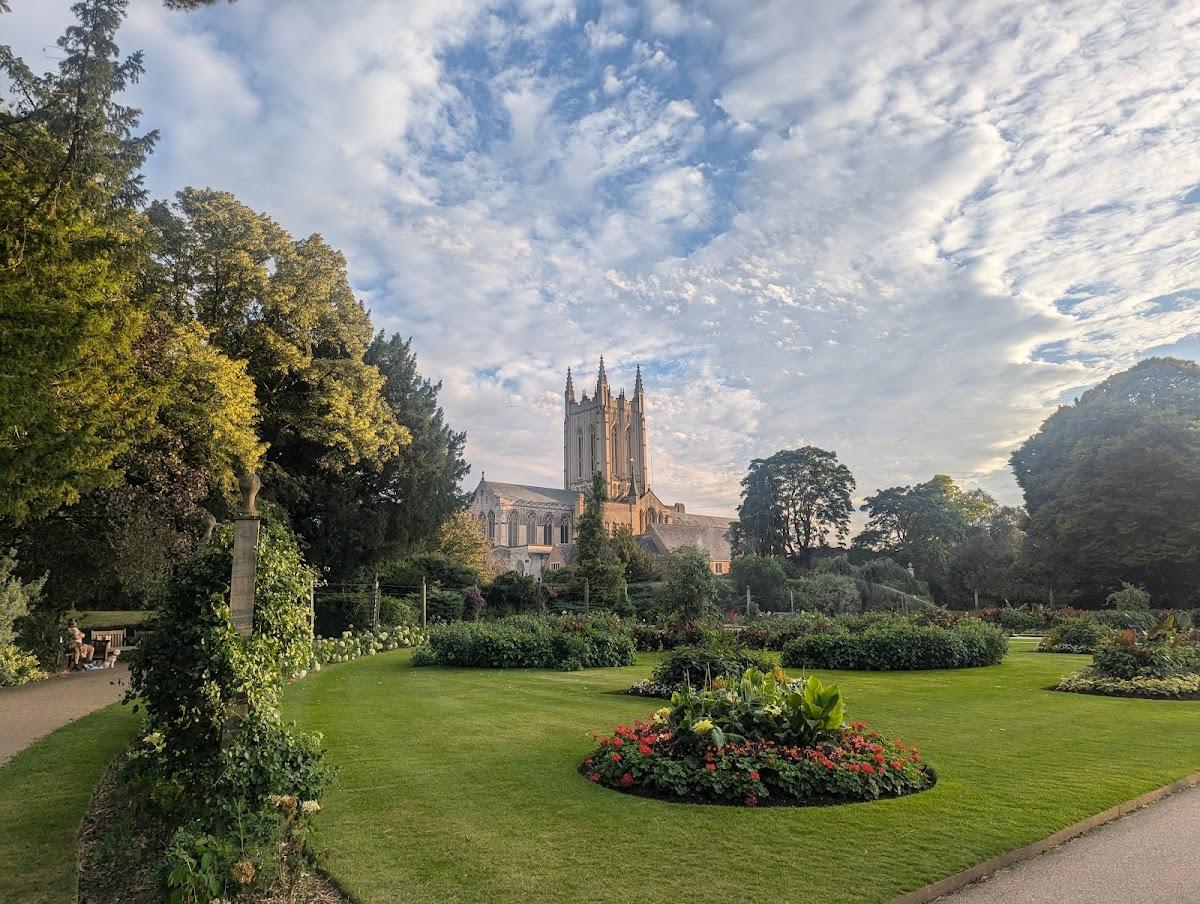
The gardens themselves are not medieval. They were laid out in 1831 by Nathaniel Hodson as a botanic garden modelled on the Royal Botanic Gardens in Brussels, and in 1936 his concentric circles were replaced by the sixty-four island beds you walk between today, cut for the coronation of George VI. The abbey wall runs from the thirteenth-century Abbot's Bridge round via the Abbey Gate to the cathedral.
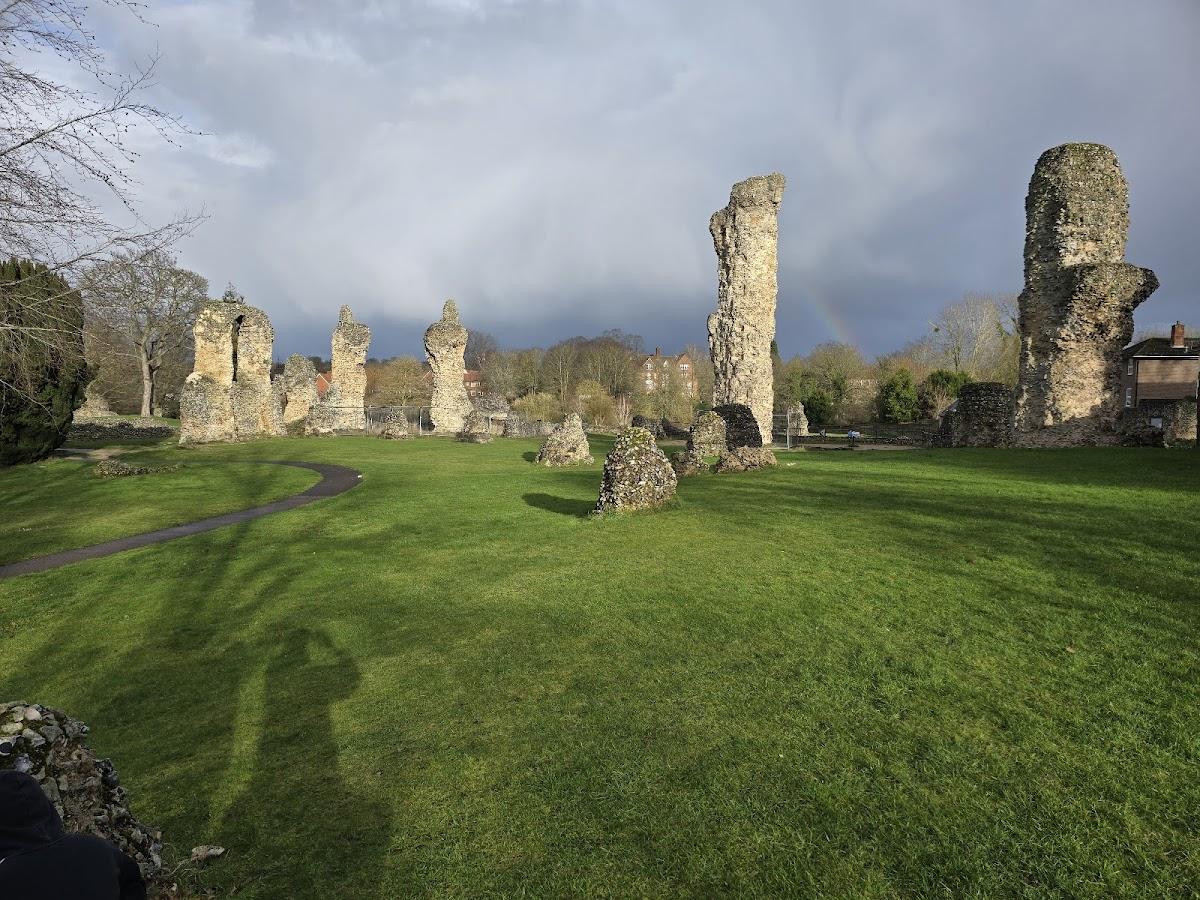
The abbey ruins stand within them, looked after by English Heritage. What survives is mostly the rubble core of walls that were once faced in stone, plus the extraordinary west front, into which houses were later built and are still lived in today.
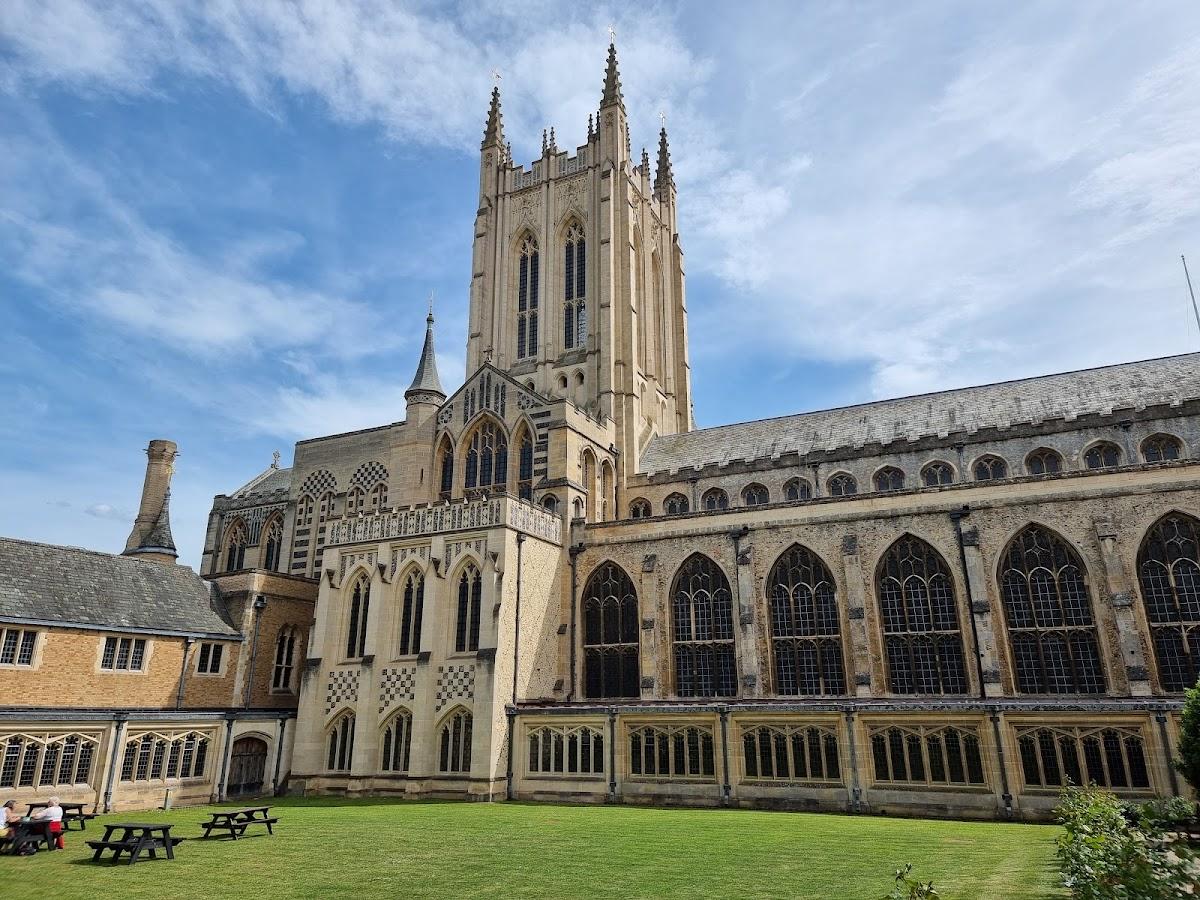
St Edmundsbury Cathedral sits alongside, and entry is free, with donations welcome. Its Millennium Tower was completed in July 2005 after six years of construction using traditional methods and materials, with the painted and gilded vault following in 2010. The cathedral had gone without a proper tower for centuries, so this is a genuinely modern piece of Gothic building rather than a restoration, which is rarer than it sounds.
Tower Tours run March to October, Wednesdays at 2pm and Saturdays at 10.30am and 2pm, take about an hour and a quarter and climb 202 steps. They cost £12 and must be pre-booked through the Cathedral Shop or online. Numbers are capped at four people per tour, under-10s are not admitted and 10 to 17 year olds need an adult with them, and dates are released roughly two weeks before each month starts.
If 202 steps is not happening, there is a floor-level guided tour instead: April to October, Monday to Saturday at 11.30am, about an hour, £7 with under-16s free.
The Norman Tower next to it is the older story: a detached bell tower about 86 feet high and 36 feet wide, built in the 1120s to 1140s as the abbey's ceremonial gatehouse, and still standing while almost everything it once guarded has gone.
Insider pick · Bury St Edmunds
St Edmundsbury Cathedral
St Edmundsbury Cathedral is a historic church and landmark building in Bury St Edmunds, Suffolk, with origins on a medieval site and notable stained glass.
View listingGreene King, the Theatre Royal and the Nutshell
Three things that are more closely connected than they look.
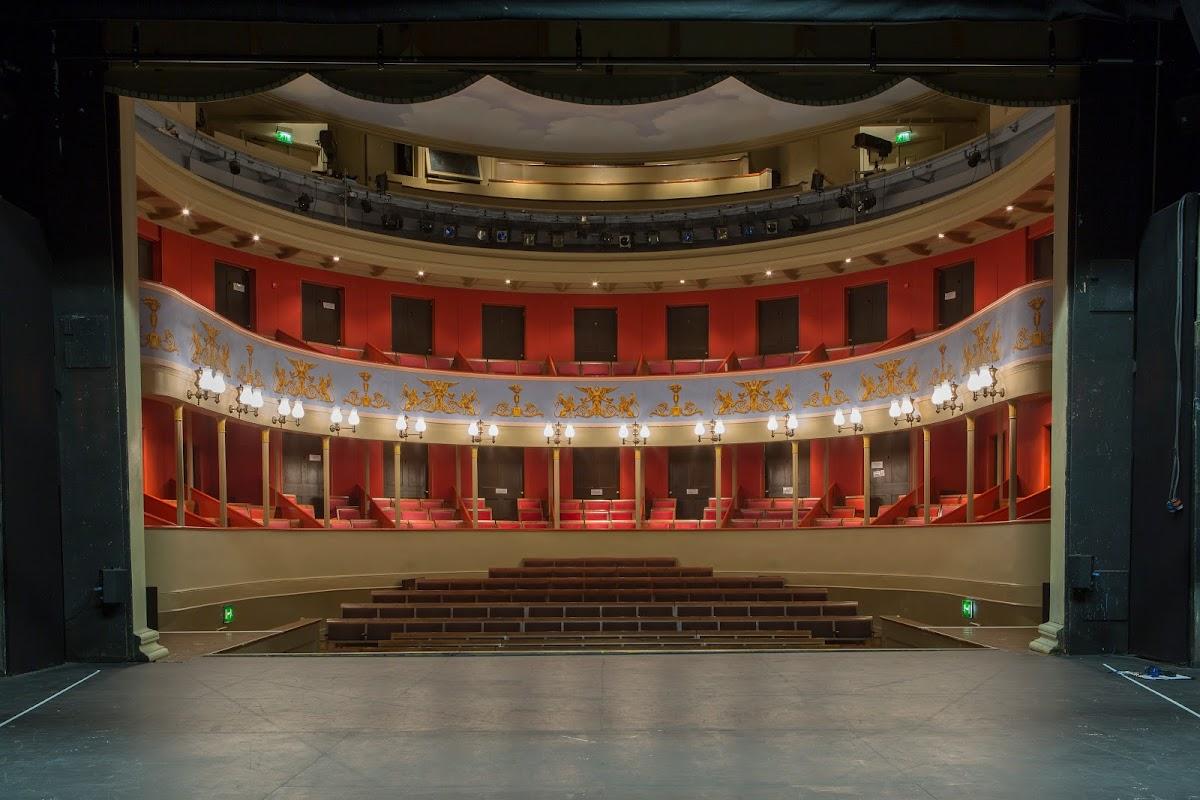
The Theatre Royal on Westgate Street was built in 1819 by William Wilkins, the architect of the National Gallery and Downing College, Cambridge. It is the last surviving Regency playhouse in Britain still used for performances, the third oldest theatre in the country, seats only 350, and is the only theatre open to the public in the National Trust's portfolio. It was restored to its Regency form between 2005 and 2007.
Here is the connection. Between 1925 and 1965 the theatre was closed, and for part of that time the brewery next door used it as a store for beer barrels. Britain's last Regency playhouse spent forty years as a warehouse, which is exactly why it survived: nobody modernised it.
Greene King still brews at the Westgate Brewery in the centre of town, and the history under it is the part worth knowing. There has been a brewery on this site since 1700, brewing in the town is recorded in the Domesday Book in 1086, and the water still comes from chalk wells beneath the brewery that have been used for close to a thousand years. The gravity-fed brewhouse was built in 1938 and is still working, much of the original equipment included.
There are two tours: a full brewery tour that goes inside and climbs over 100 steps to the roof for a view across Bury before finishing with a tasting, and a walk-and-talk version that stays outside. Both run about an hour and forty minutes, and the brewery tour is £20.
The practical constraints matter more here than at most attractions. You must be over 16 to enter the brewery and over 18 to drink, so this is not a family activity. Wear flat enclosed shoes, and note that the steps rule out walking aids. Book ahead. The café is also closed to the public on Sundays, opening for tours only.
The Nutshell on the Traverse has been a beerhouse since 1867 and has a bar measuring 15ft by 7ft, which the Guinness Book of Records recognises as the smallest pub in Britain. The record for people crammed inside is said to be 102, plus a dog called Blob. There is a mummified cat above the bar and banknotes pinned to the ceiling. It is a genuine pub rather than a novelty, but it holds about a dozen people comfortably, so go at an odd hour.
Where to eat in Bury St Edmunds
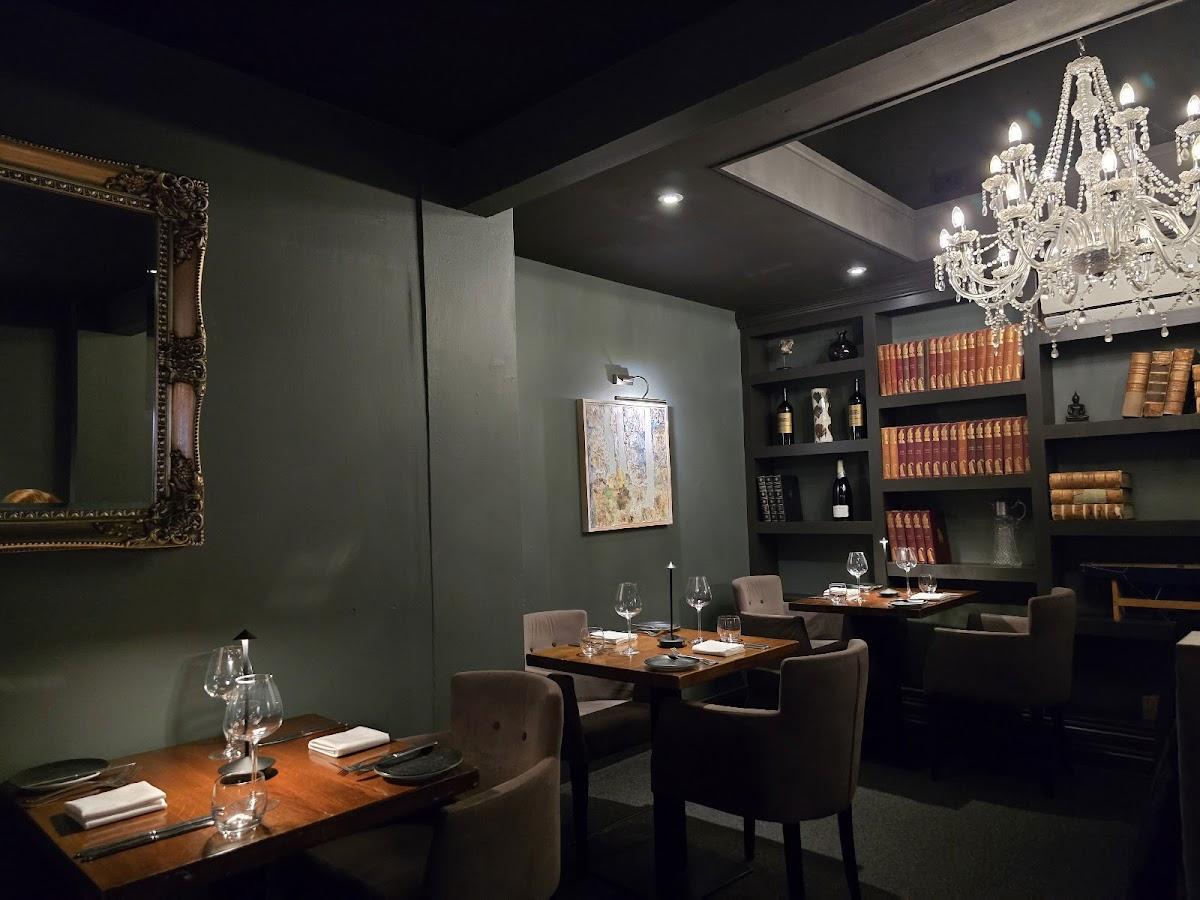
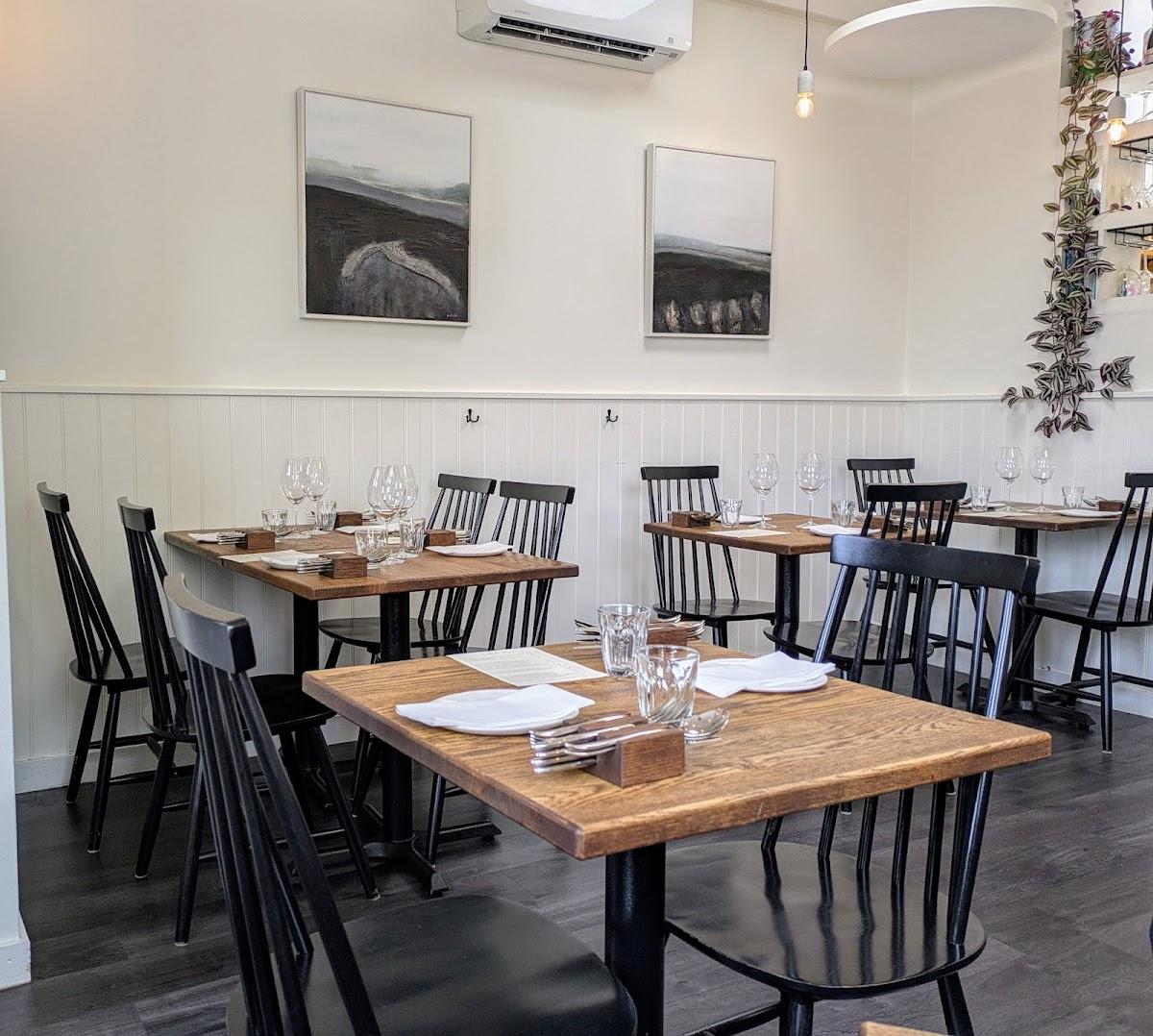
Bury eats well and has more range than a town this size normally manages. 1921 and Lark, both on or beside Angel Hill, are the two to know for a proper dinner. The Angel Hotel on Angel Hill is the landmark place to stay and eat, a creeper-covered coaching inn opposite the abbey gate.
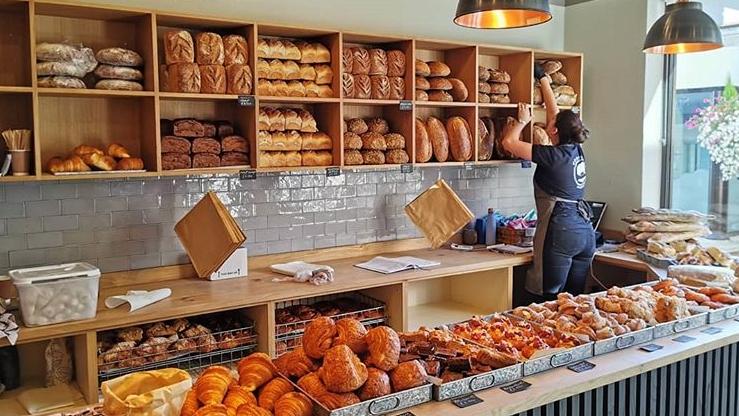
For daytime, Wooster's Bakery and Crumbs cover bread and cakes, Folk is the coffee stop, and Hendo's on Abbeygate Street does fish and chips. On the pub side there is a lot to choose from beyond the Nutshell, including the Old Cannon Brewery, which brews on the premises, and Oakes Barn and the Dove for beer.
That is deliberately a shortlist rather than a full guide. Bury has enough good food and enough good pubs to justify their own pages, and we will write them.
Eating in Bury
Bury St Edmunds in a day
If you have one day and want to do it properly, this order works.
Morning. Park at Ram Meadow if you are staying the day, or walk up from the station. Start on Angel Hill, go through the Abbey Gate into the Abbey Gardens, and walk the ruins. Allow an hour, more in summer. Come out by the cathedral, look at the Norman Tower, and go into St Edmundsbury Cathedral. If tower tours are running and you have a head for steps, do one.
Late morning. Walk up to the Cornhill and Buttermarket. If it is a Wednesday or Saturday, the market is here. Moyse's Hall Museum is on the Cornhill and takes about 45 minutes.
Lunch. Anywhere in the Abbeygate Street and Traverse area. Squeeze into the Nutshell for one drink if it is not full, which it often is.
Afternoon. Pick one: the Greene King brewery tour (book ahead, £20, allow an hour and 40, over-16s only) or a Theatre Royal building tour. Doing both is possible but tight. If you have children with you, the brewery is out, so make it the theatre.
Evening. A show at the Theatre Royal or the Apex, and dinner at 1921 or Lark.
That is a full and unhurried day. If you have two, add Ickworth on the second morning and drive out to Lavenham in the afternoon.
Lavenham, Long Melford, Clare and Sudbury
Bury is the largest of the west Suffolk towns and the practical base for the wool towns to the south, which are a separate cluster from the Suffolk coast entirely.
Lavenham is about twelve miles south, the best preserved medieval wool town in England, with the Guildhall, the crooked houses and the Harry Potter house. It pairs with Bury as a day. Read our guide to Lavenham.
Long Melford has one of the longest village streets in England, lined with antiques shops, plus Kentwell Hall and Melford Hall. See everything we list in Long Melford.
Sudbury is the working town of the group and the birthplace of Thomas Gainsborough, whose childhood home is now Gainsborough's House. See everything we list in Sudbury.
Clare is west up the Stour valley, with Clare Castle Country Park around a Norman motte and Harris and Harris Books. See everything we list in Clare.
Is Bury St Edmunds worth visiting? It is a proper town, not a preserved village
Yes, and the two halves of that heading are the same answer.
If you have been round Lavenham, Southwold and Burnham Market, you may arrive expecting another set piece: a handsome centre where every shop sells candles and the whole thing exists for visitors. Bury is not that. It has a shopping centre, the arc, which opened in March 2009 and holds the chains including Primark. It has charity shops and phone shops and a bus station. On a Tuesday in November the town centre is people doing their shopping.
Some visitors find that a letdown and say so. The counter-argument is straightforward.
First, the good things here are unusually good. Free abbey ruins visited by over a million people a year, a cathedral tower built in this century by hand, the last Regency playhouse in the country, a working brewery in the middle of town and the smallest pub in Britain is a genuinely strong list for a town of this size.
Second, being a real town is why they still work. The Theatre Royal has a full programme because enough people live within reach to fill 350 seats repeatedly. The market runs twice a week because people buy food at it. The brewery brews because it is a business. None of that would survive in a village of second homes.
And third, the arc is honestly not the problem people make it. It sits behind the historic centre rather than in it, it keeps the chains off the Georgian streets, and it means Abbeygate Street and the Traverse have stayed independent. A lot of English market towns would take that trade.
Come for a day, not a week, and judge it on the abbey, the cathedral and the theatre rather than on how photogenic the high street is.
The honest summary
Bury St Edmunds is the best single day out in west Suffolk. The abbey ruins and gardens are free and genuinely impressive, the cathedral is worth an hour, the Theatre Royal is the only building of its kind still doing its job anywhere in Britain, and you can drink in the smallest pub in the country afterwards.
Go on a Wednesday or a Saturday for the market, get the train if you can, and use it as the base for Lavenham and the wool towns rather than treating it as a stop on the way to the coast. It is a working town that happens to have a thousand years of history in the middle of it, and it wears that lightly.
Related listings
Nearby picks to explore
Good to know
Frequently asked questions
Yes, for a day at least. It has free abbey ruins and gardens, a cathedral with a tower finished in 2005, the last working Regency playhouse in Britain, a brewery running tours and the smallest pub in the country. It is a real town rather than a preserved one.
Yes. The 14-acre Abbey Gardens and the abbey ruins within them are free to visit, which is part of why they are among the most visited free attractions in England and the busiest in the East of England, with well over a million visitors a year.
Wednesday and Saturday, on the Cornhill and Buttermarket in the town centre. Saturday is the bigger of the two with more than 80 stalls, and Wednesday runs around 60. There has been a market on this site since before the Norman Conquest.
Bury St Edmunds is on the Ipswich to Ely line with Greater Anglia services, giving direct hourly trains from Ipswich and Cambridge, both about 38 minutes, and from Peterborough. There is no direct service from London, so change at Cambridge for King's Cross, around 1 hour 49 minutes in total.
Yes. Greene King runs tours from its Westgate Brewery in the town centre, taking around an hour and forty minutes. The full brewery tour costs £20, climbs over 100 steps to the roof and finishes with a tasting. You must be over 16 to enter and over 18 to drink, so it is not one for families.
Be part of it
Three ways to get involved
Keep reading
More from the Journal
27 July 2026
A guide to Woodbridge
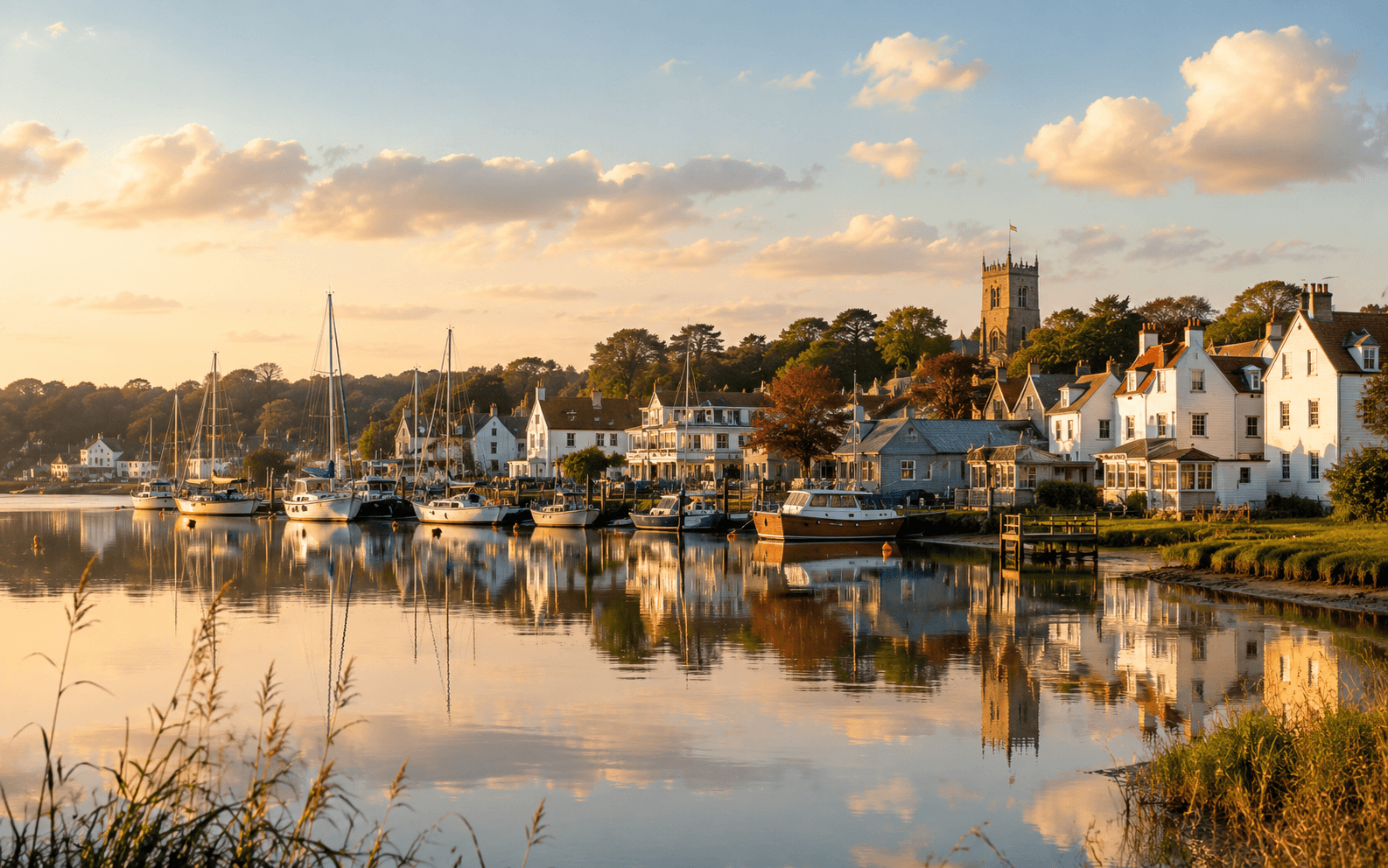
An honest guide to Woodbridge, Suffolk: the working Tide Mill and when the wheel turns, Sutton Hoo next door, the Deben boatyards and Thursday market.
27 July 2026
A guide to Aldeburgh
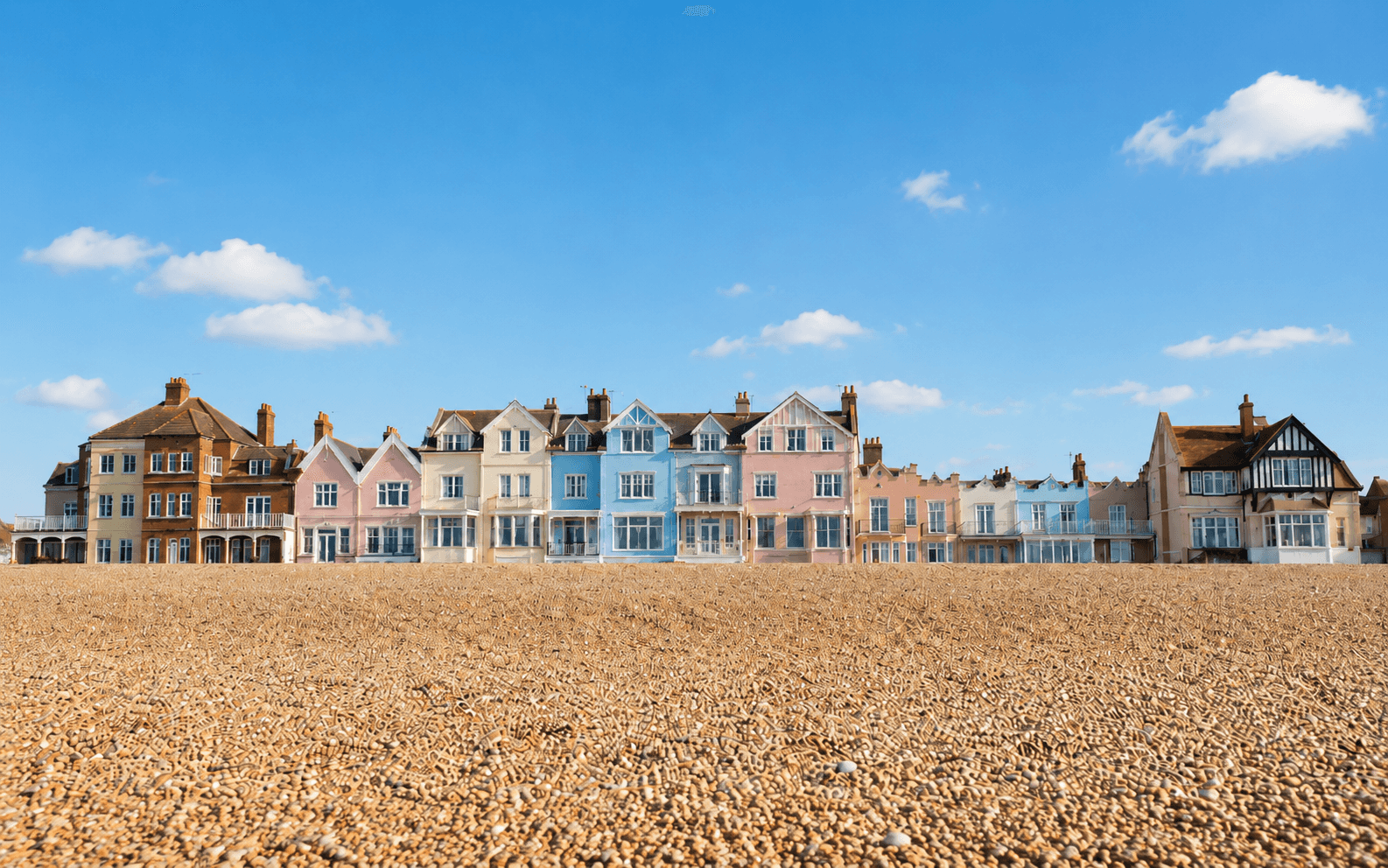
An honest guide to Aldeburgh, Suffolk: shingle not sand, fish straight off the beach huts, the Scallop argument, and Snape Maltings five miles inland.
27 July 2026
A guide to Framlingham
An honest guide to Framlingham, Suffolk: the castle wall walk and what is currently closed, Mary Tudor's proclamation, the mere and the Saturday market.