27 July 2026
A guide to Wells-next-the-Sea
An honest guide to Wells-next-the-Sea, Norfolk: crabbing off the quay, the mile to the beach huts, why tide times matter, and Holkham next door.
Wells-next-the-Sea is the best all-round base on the north Norfolk coast, because it is the only place along here that is a working harbour town and a serious beach in the same trip. Burnham Market has the shops and no sea. Holkham has the sand and nothing else. Wells has both, plus a quay you can crab off and somewhere to buy dinner afterwards. The catch is that the town and the beach are a mile apart, and a lot of people find that out the hard way.
Key takeaways
- Wells is a working harbour town with a proper high street, not a beach resort with a town attached.
- The beach is a mile from the quay. Walk the sea bank, take the seasonal Beach Bus, or drive to the Wells beach car park.
- Crabbing off the quay is the thing to do with kids, and it costs almost nothing.
- Check tide times before you go out on the sand. The RNLI pulls hundreds of people off these banks every summer.
- Eat on the quay at Wells Deli or French's Fish Shop, and use Holkham next door for the big empty-sand day.
What Wells-next-the-Sea actually is
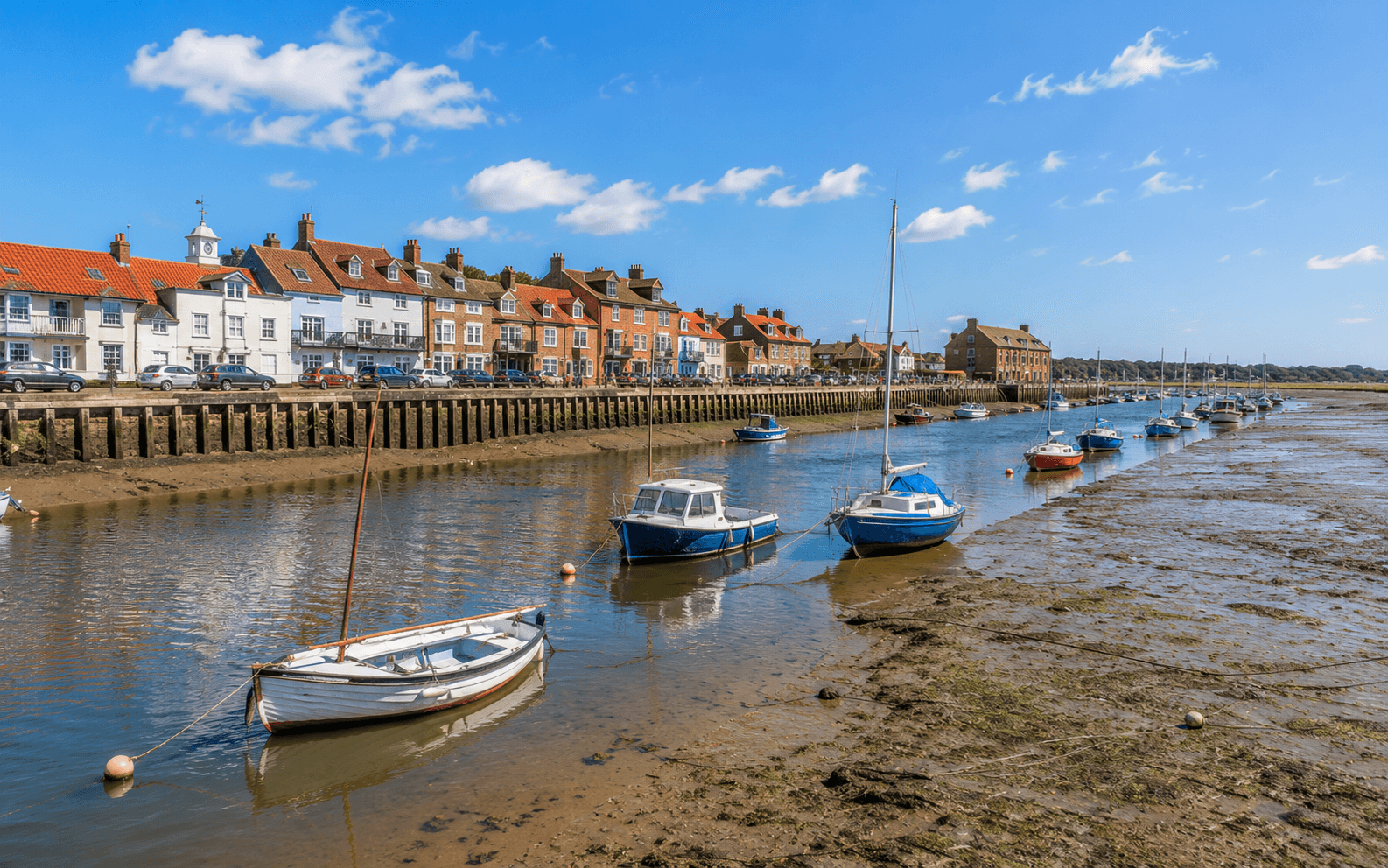
Wells is a working port, which is the thing that separates it from most of this coast. Whelk boats and crab boats still go out of the harbour, the quay is a quay rather than a promenade, and the tide genuinely runs the day. The town behind it is a real one: a high street with a butcher, a chemist and an arts centre, a large green called the Buttlands ringed by houses, and a network of narrow yards running down towards the water.
What it is not is a resort. There is no pier, no arcade strip, and the beach is not at the end of the high street. The famous part of Wells, the row of coloured huts on stilts against the pines, is a mile out of town and belongs to the Holkham Estate rather than to the town itself. Getting your head round that geography is most of what makes a visit here work.
Getting there and parking
By road. Wells sits on the A149 coast road, between Holkham to the west and Stiffkey to the east. Coming from the south or from the A47, the usual approach is the B1105 running north from Fakenham, which drops you straight into the top of the town.
By train. There is no station. Wells lost its passenger railway in the 1960s. The nearest usable ones are Sheringham, east on the Bittern Line from Norwich, and King's Lynn, south west with direct services to Cambridge and London King's Cross. Neither is close enough to walk, but both connect to Wells by bus, which is covered below and is better than it sounds.
By bus, and this is the real argument for Wells as a base. The north Norfolk coast is covered by two services, and Wells is the point where they meet.
Coasthopper CH1, run by Sanders Coaches, goes east from Wells to Cromer via Blakeney, Cley and Sheringham, seven days a week all year, with CH2 carrying on from Cromer to Mundesley and inland to North Walsham. Coastliner 36, run by Lynx, goes west and south, King's Lynn to Hunstanton to Wells and on to Fakenham via Burnham Market and Walsingham, also seven days a week.
The only place the two connect is The Buttlands bus stop in Wells. Stay here and the entire coastal network is one walk from your door.
Coast 1, 3 and 7 day tickets give unlimited travel on both, priced in 2025 at £10 for a day, £21 for three days and £36 for seven, with singles from £2 and under-5s free. It means you can walk a stretch of the coast path in one direction and ride back, which is the best way to use this coastline.
Where to park. There are five car parks and they serve very different purposes:
- Stearmans Yard, NR23 1BA, run by North Norfolk District Council. 160 spaces, pay and display 8am to 6pm, free for motorcycles, with EV charging. This is the main town car park and the one to aim for.
- Quayside, NR23 1AH, run by the Port of Wells. Right on the quay, ANPR rather than a ticket machine, no overnight parking.
- RCP car park, Freeman Street, NR23 1AS. 80 spaces, card payment only, open 24 hours.
- Wells Town car park, NR23 1FD, Holkham Estate. Sits by the Beach Bus stop, which is the point of it.
- Wells Beach car park, Beach Road, NR23 1DR, Holkham Estate. At the beach end, a mile from town, and the one that fills first on a hot day.
Charges. Deliberately no figures here. Stearmans Yard is North Norfolk District Council and the two Holkham Estate car parks, Wells Beach and Lady Anne's Drive, are priced separately by the estate. All three have moved more than once recently and the published schedules disagree with each other, so read the machine.
One structural thing worth knowing, though, because it does not change: an all-day ticket at Lady Anne's Drive also covers Holkham Park on the same day. If you are doing the beach and the hall together, that is the best-value parking decision on this coast.
When to go
Late spring and September are the sweet spot: the Beach Bus is running, the sea is usable, the pines give shade, and you can still park at eleven in the morning. July and August are the trade-off, with everything open and the beach at its best but the beach car park full by mid-morning.
Winter is genuinely good here in a way it is not in most seaside towns, because the harbour keeps working and the pubs stay open for locals rather than closing up. The Beach Bus stops out of season, though, so a winter beach day means the walk or the drive.
Local knowledge
Check the tide before you plan the day, not after you arrive. High tide is when the harbour looks its best and when the crabbing off the quay is at its most productive, so if you have a choice, aim to be on the quay in the ninety minutes before high water. Low tide is when the harbour is a channel through mud, which is atmospheric but a lot less fun with children holding crab lines.
Where to eat and shop
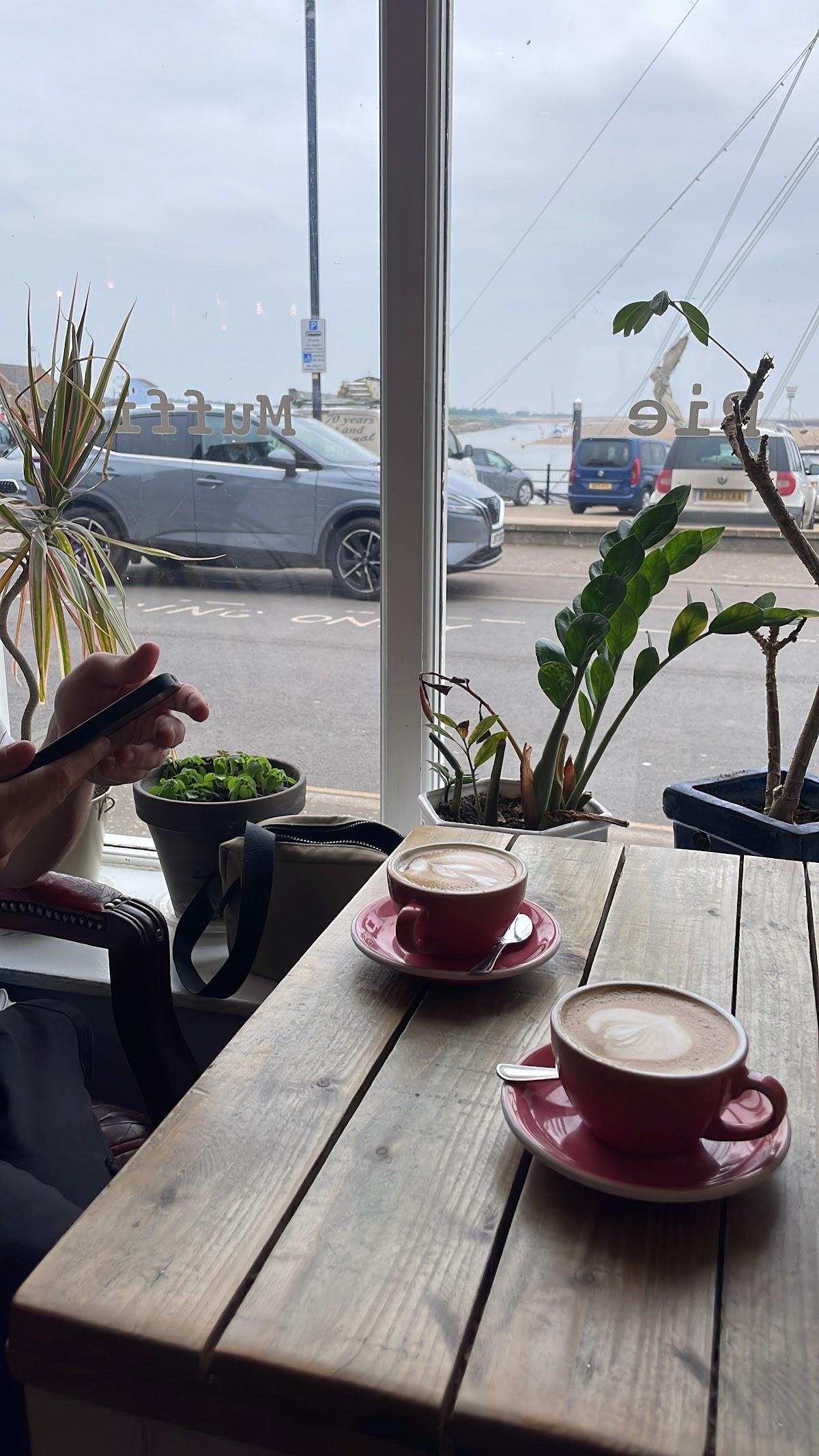
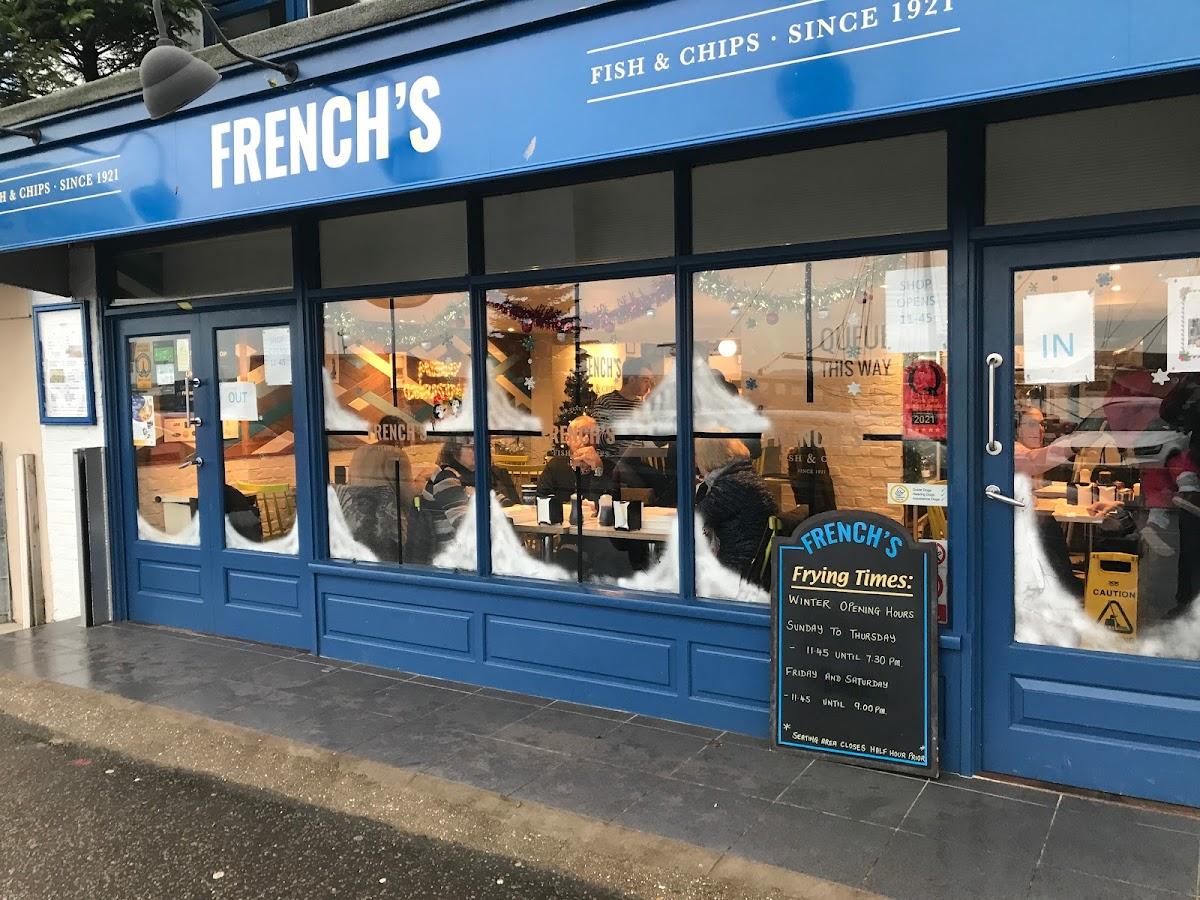
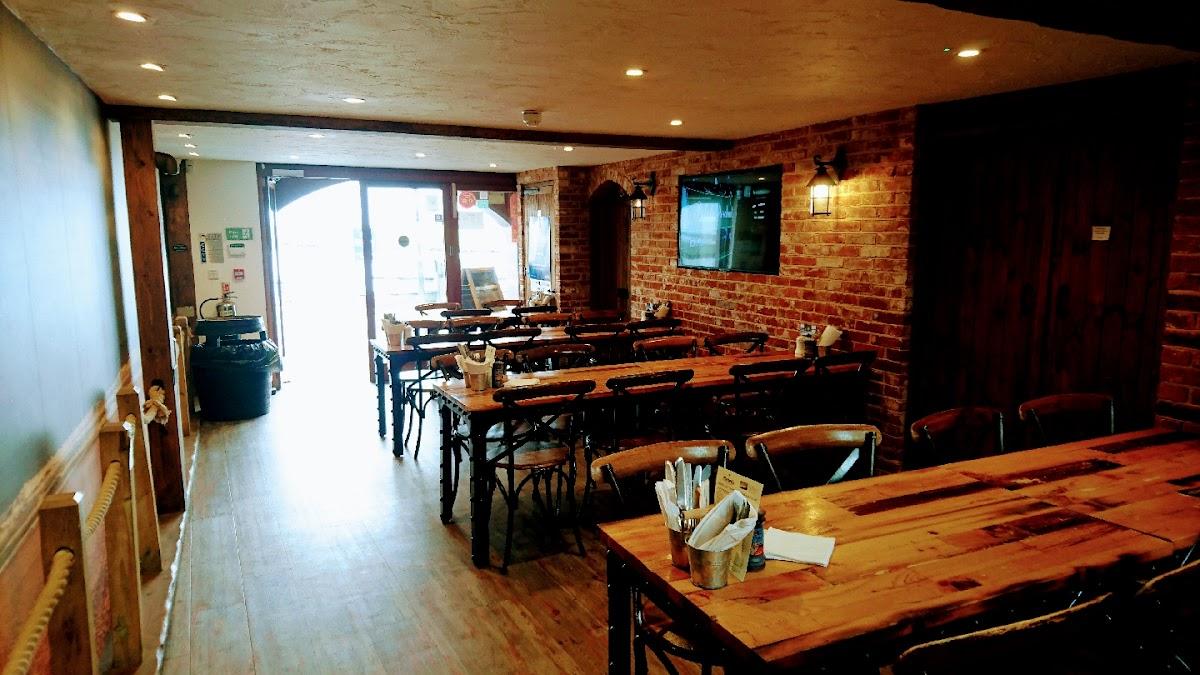
The good news is that the three places you want are all within about fifty metres of each other on the quay. Wells Deli at 15 The Quay does coffee, sandwiches and picnic supplies and is the easiest breakfast in town. French's Fish Shop at number 10 and Platten's at 12a are the two quayside chip shops, sitting almost next door to each other, which is a rivalry locals will happily talk you through.
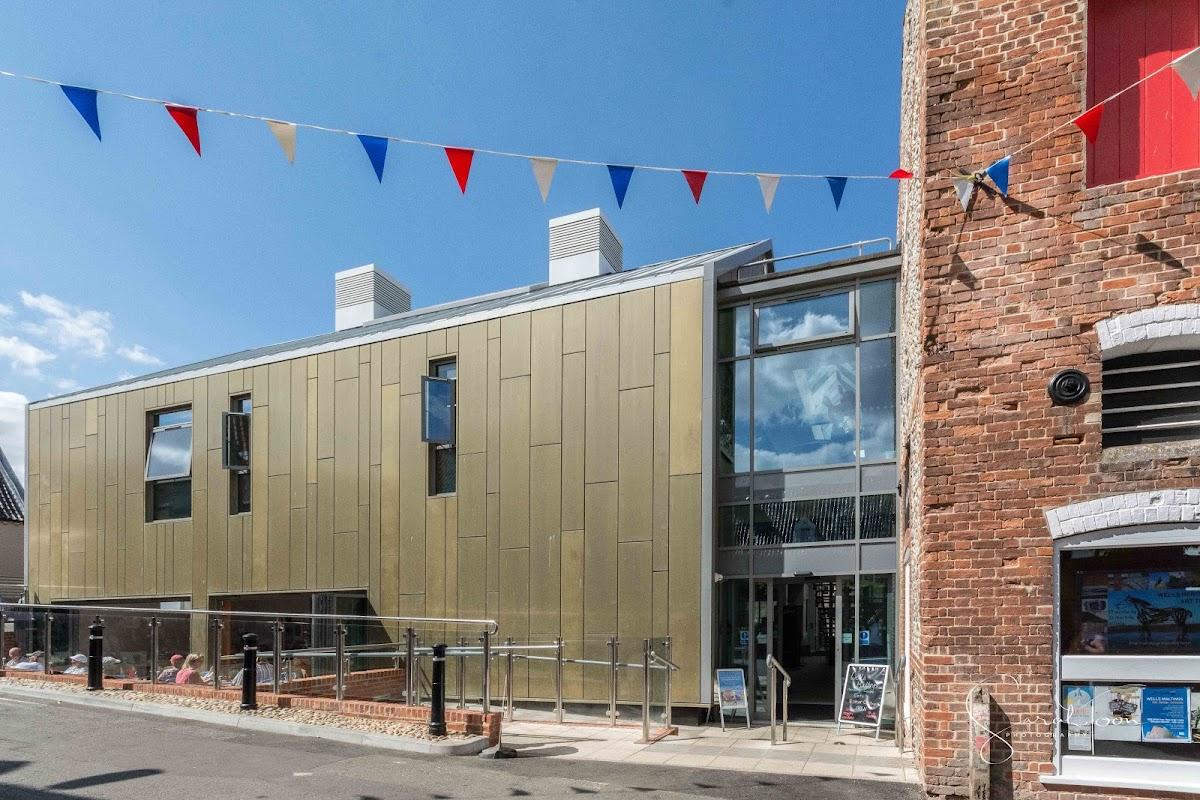
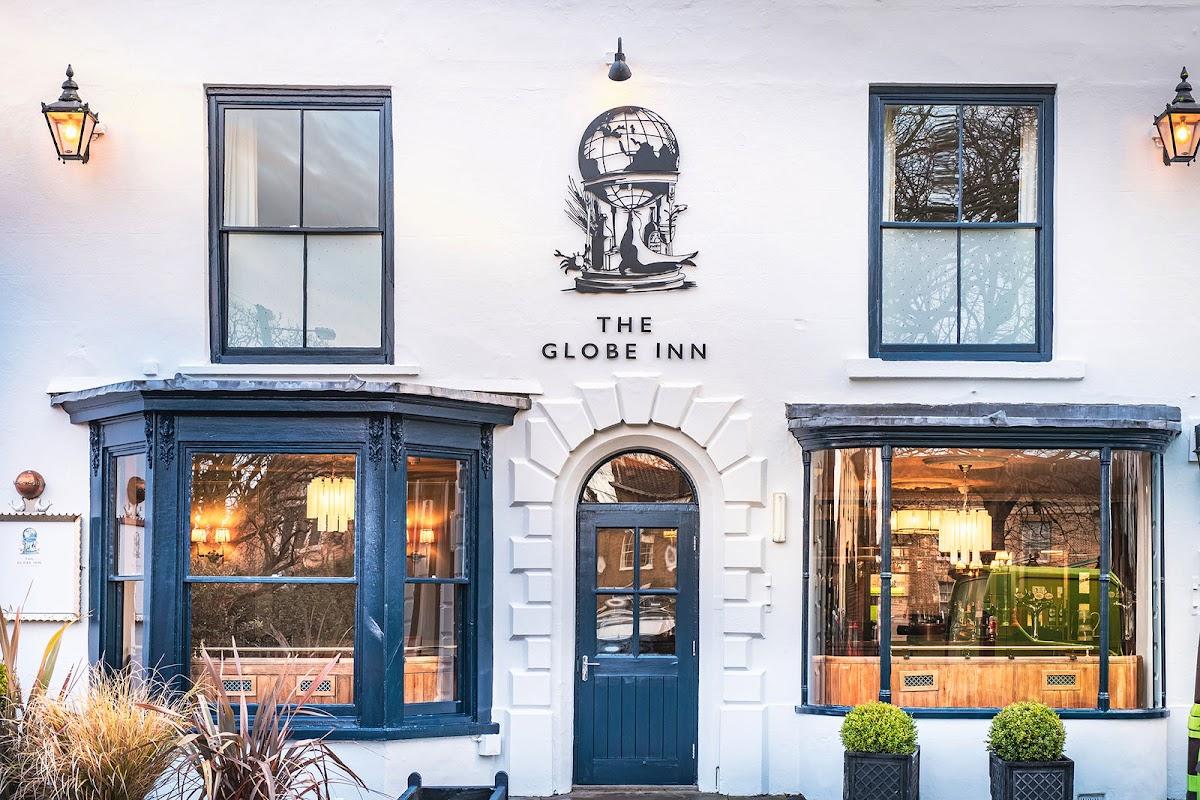
Away from the water, Bang in Wells on Staithe Street is the town-centre cafe, and The Globe Inn on the Buttlands is the pub facing the green. Wells Maltings on Staithe Street is the arts centre, cinema and visitor centre in one, and it is the obvious wet-weather answer. The Old Station Pottery and Bookshop out at Maryland is exactly what it says, housed in the old railway station.
On the quay
The quay, crabbing and the tides
Crabbing off the quay at Wells Harbour, or gillying as it is known locally, is the single best cheap thing to do in Wells. You need a line, a weight and bait, all sold in town. The trick most first-timers miss is to drop into the deeper gaps between the moored boats rather than over the shallow edges, and to use something oily and strong-smelling. Raw bacon with the rind on is the classic, and fish scraps work just as well. Go as the tide is coming in, ideally about ninety minutes before high water, because crabs bury themselves in the mud on a falling tide. Put them back.
The tides matter here beyond the crabbing, and this is the part of a Wells visit worth taking seriously. The beach runs out onto sandbanks separated by channels, and those channels fill from behind you rather than in front of you.
The RNLI's advice is specific: get back to dry land, with no more channels or drains left to cross, at least four hours before high water at Wells bar. That is a good deal earlier than most people's instinct.
The numbers behind it are not small. Wells RNLI helped 303 people at risk of being cut off in the space of three weeks, and the station has reported rescuing more people cut off by the tide in six months than in the previous seven years combined.
If it happens to you, call 999 and ask for the Coastguard. Do not try to wade. In the words of the station's own water safety officer, wading through water over knee deep on marsh or sandbars is incredibly hazardous, because the depth can change very rapidly and leave you suddenly fully immersed in fast-flowing cold water, which carries a high risk of drowning.
The beach huts, the pinewoods and where to stay
Wells beach is a very wide stretch of pale sand backed by a belt of pine trees, and the huts are the reason it is on so many postcards. They stand on stilts at the top of the sand right against the treeline, each with a hinged shutter, a stable door and a verandah with steps down onto the beach. They are owned and let under licence through Holkham Holiday Parks, trading as Pinewoods, and they cannot be slept in. Hire is quoted rather than published and varies a lot by hut, position and week, so ask rather than budget from a number you read online. Expect day hire to include deck chairs and a windbreak, and expect school holiday weeks to be gone early. Huts do change hands for serious money when they come up, though the eye-watering figures that get reported are often for the larger chalets rather than the huts themselves.
Behind the huts, the pinewoods were planted to hold the dunes together and stop the sand moving inland. They are the reason this beach works on a bad day. When the wind comes off the sea and the sand starts moving sideways, you walk fifty metres back into the trees and it stops. There is a shaded path through them running parallel to the beach, which is the better walk back to town on a hot afternoon.
For a base, Pinewoods Holiday Park sits directly behind the huts at the beach end of Beach Road, and the town itself has the pubs and guesthouses. Staying in town and using the bus or the walk is the better version if you want to eat out.
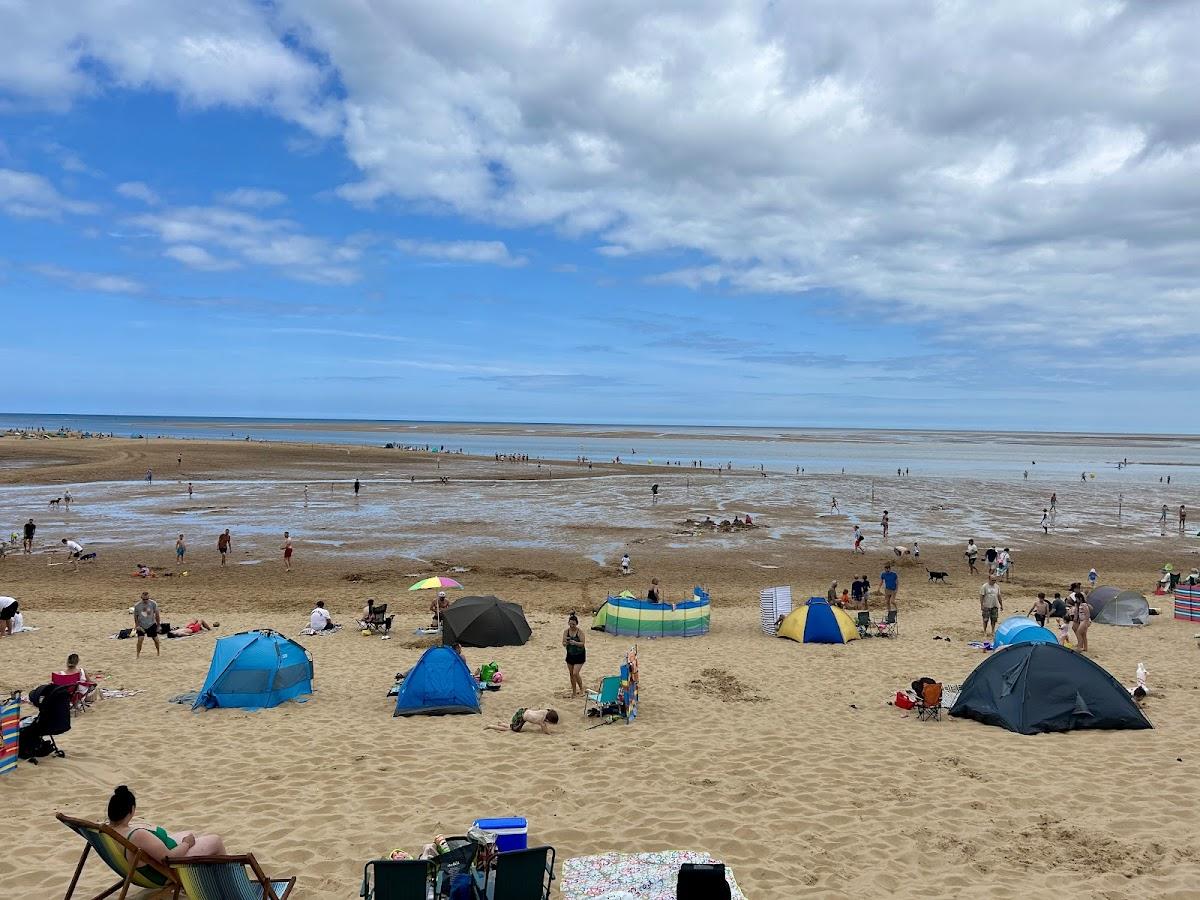
Insider pick · Wells Next The Sea
Wells Next The Sea Beach
Wells Next The Sea Beach offers sandy shores and coastal access in Wells Next The Sea, Norfolk. Explore tidal beaches, rock pools, and waterfront walks along this charming Norfolk coast.
View listingBurnham Market, Holkham, Blakeney and Brancaster
Wells earns the "best base" title because of what is within fifteen minutes of it.
Holkham beach is next door to the west and is the one people picture when they think of north Norfolk: an enormous flat expanse of sand backed by pines and salt marsh, reached down Lady Anne's Drive off the A149. Holkham Hall and its deer park sit behind it, and an all-day beach ticket covers the park too.
Burnham Market is five miles west, the polished shopping village with Humble Pie, the Brazen Head Bookshop and the Hoste on the green. It is the civilised lunch to Wells's sandy afternoon, and we have written it up in full in our guide to Burnham Market.
Blakeney is east along the coast road, a National Trust harbour village where the boat trips out to the seal colony on Blakeney Point leave from the quay. The Blakeney Hotel looks straight over the marsh, and Blakeney Guildhall is the English Heritage undercroft in the village. See our guide to Blakeney and Cley.
Brancaster is further west past Burnham, with Brancaster beach and a golf links.
Do not walk out to the SS Vina. The wreck sits about 800 metres offshore on Wreck Sands and is sometimes exposed at low water, and it is separated from the beach by a wide, deep, fast-flowing tidal channel. The National Trust's own safety guidance is not to attempt it, and the RNLI rescues people from that channel every year. In August 2024 a 74-year-old man died after being caught by the tide walking out to it with his granddaughter, and the Norfolk area coroner issued a Prevention of Future Deaths report afterwards, citing the absence of warning signage and confusion over who owns the wreck. Look at it from the beach.
We have ranked this whole coastline properly in the best beaches in Norfolk, so we will not re-run the argument here.
The walk to the beach is longer than you think
Here is the thing nobody tells you. The beach is a mile from the quay, in a straight line down Beach Road with almost no shade, and it feels considerably longer on the way back carrying a windbreak, a cool bag and a tired six-year-old.
There used to be an easy answer. The Wells Harbour Railway, a miniature line running the mile from the town to the pinewoods, did the job for 45 years. It closed in September 2021, the track was lifted that November and the locomotives were sold off to other railways. If you read an older guidebook telling you to take the little train to the beach, it is out of date.
What replaced it is the Beach Bus, an electric shuttle introduced in 2022, which runs daily between Easter and October with a 1951 Leyland Tiger open-top joining it on busy days. It runs to demand and weather rather than a fixed timetable, so there is no printed schedule to plan around. Fares are single only and card only. The town stop is at the football club car park at the end of Beach Road near the quay, and it sets down at the far end of Beach Road by the toilets and the path onto the sand.
So the mile has three answers. Walk it on the raised sea bank, which is about twenty minutes and genuinely the nicest of the three, with the harbour on one side and the marsh on the other, and it forms part of the Norfolk Coast Path. Take the Beach Bus, in season, accepting that you may wait. Or drive to the beach car park, which is the honest choice with small children and beach kit, as long as you accept it fills early and costs Holkham Estate rates.
One more thing to clear up: the Wells and Walsingham Light Railway is still running and is the longest 10.25 inch gauge railway in the world, but it goes four miles inland to Little Walsingham. It does not go to the beach. It is a good half-day out in its own right, and you pay the guard on board rather than booking ahead. Check the current fares and running days before you set off, as it runs a season rather than year round.
The honest summary
Wells is the north Norfolk town to pick if you only get one. It has the harbour, the beach, the food and the position, and it is a working place rather than a preserved one, which means it still feels like somewhere people live in February.
Just go in understanding the shape of it. The town is a mile from the sand, the tide is not decorative, and the beach car park fills before eleven in July. Sort those three things out in advance and you get the best day on this coast. Turn up at midday in August with no plan and you will spend it walking a hot road with a windbreak under your arm.
Related listings
Nearby picks to explore
Good to know
Frequently asked questions
About a mile, along Beach Road. You can walk it on the raised sea bank in roughly twenty minutes, take the seasonal Beach Bus from the football club car park, or drive and park at the Wells Beach car park at the far end. The walk back after a long beach day is the part people underestimate.
No. The Wells Harbour Railway ran the mile to the beach for 45 years but closed in September 2021, and its track and locomotives were sold off. An electric Beach Bus replaced it in 2022. The Wells and Walsingham Light Railway still runs, but it goes inland to Little Walsingham, not to the beach.
Straight off the quay, which is one of the best crabbing spots on the north Norfolk coast. Drop a baited line into the deeper gaps between the moored boats rather than the shallow edges. Oily bait works best, so raw bacon or fish scraps. Go as the tide comes in.
Yes, and this matters more here than at most beaches. The RNLI advises getting back to dry land, with no channels left to cross, at least four hours before high water at Wells bar. The station helped 303 people cut off by the tide in one three-week stretch. If caught, call 999 for the Coastguard rather than wading.
It is the best all-rounder on this stretch. Wells has a working harbour, a proper high street, a wide sandy beach and enough food to eat well all week. Holkham, Burnham Market, Blakeney and Brancaster are all within a short drive along the A149.
Be part of it
Three ways to get involved
Keep reading
More from the Journal
27 July 2026
A guide to Cromer
An honest guide to Cromer, Norfolk: where to buy dressed crab and where to eat it, the last end-of-pier show in the world, and Henry Blogg.
27 July 2026
A guide to Aldeburgh
An honest guide to Aldeburgh, Suffolk: shingle not sand, fish straight off the beach huts, the Scallop argument, and Snape Maltings five miles inland.
27 July 2026
A guide to Blakeney and Cley-next-the-Sea
An honest guide to Blakeney and Cley-next-the-Sea, Norfolk: seal trips leave from Morston not Blakeney, plus Cley Marshes and the windmill.