27 July 2026
A guide to Blakeney and Cley-next-the-Sea
An honest guide to Blakeney and Cley-next-the-Sea, Norfolk: seal trips leave from Morston not Blakeney, plus Cley Marshes and the windmill.
Blakeney and Cley-next-the-Sea sit a mile and a half apart on the same stretch of salt marsh, and nobody sensible visits one without the other. Between them they hold the largest seal colony in England, the oldest county wildlife reserve in Britain, and a run of flint villages that look more or less as they did when the harbour silted up and the money left. This is the birdwatching capital of England and it does not particularly care whether you find that interesting. The one thing to get right before you come is that the seal trips do not leave from Blakeney.
Key takeaways
- Seal trips to Blakeney Point leave from Morston Quay, not Blakeney Quay. Set the satnav accordingly.
- Boats run around high tide, so departure times change daily. Book ahead and check sailing times.
- Cley Marshes is Norfolk Wildlife Trust's oldest reserve, bought in 1926, and the best birdwatching in England.
- Both quay car parks flood on spring tides. Park on the higher ground.
- Dogs are not allowed on Cley Marshes reserve or in its visitor centre, assistance dogs excepted, though they can walk Beach Road, the shingle bank and East Bank on a lead.
- National Trust members park free at both Morston and Blakeney quays.
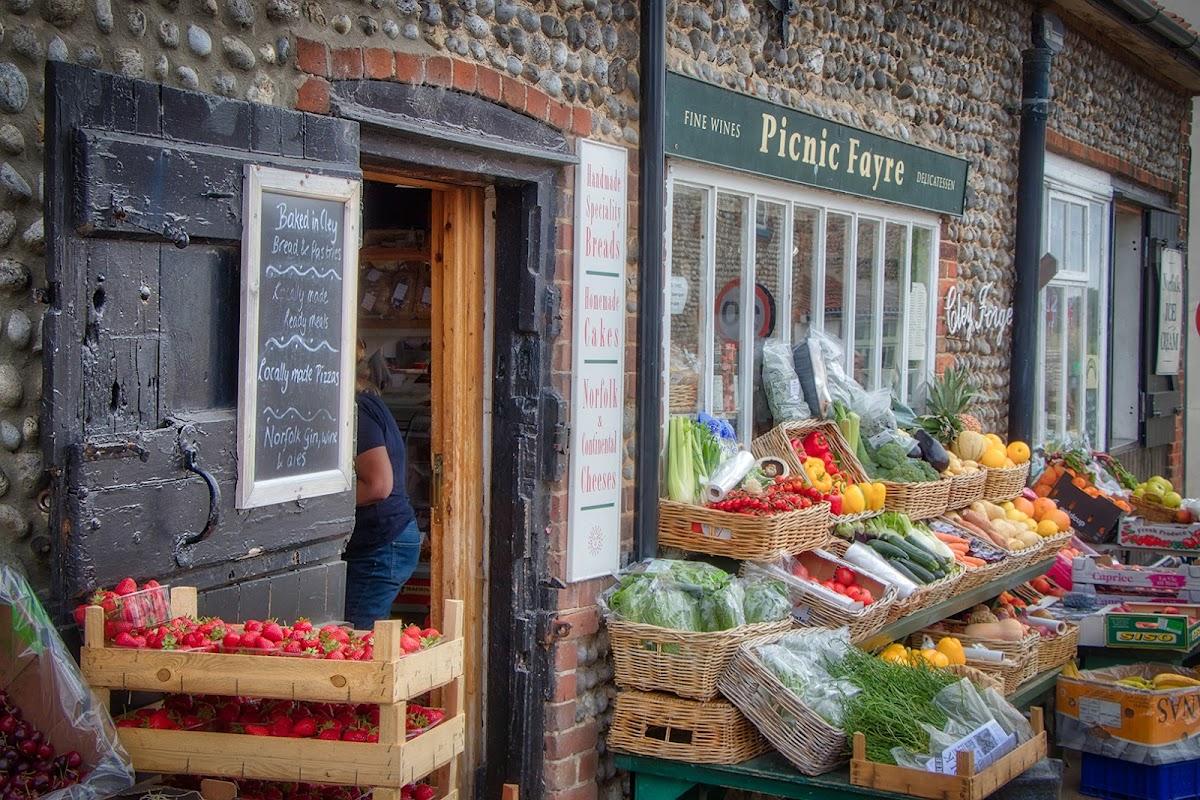
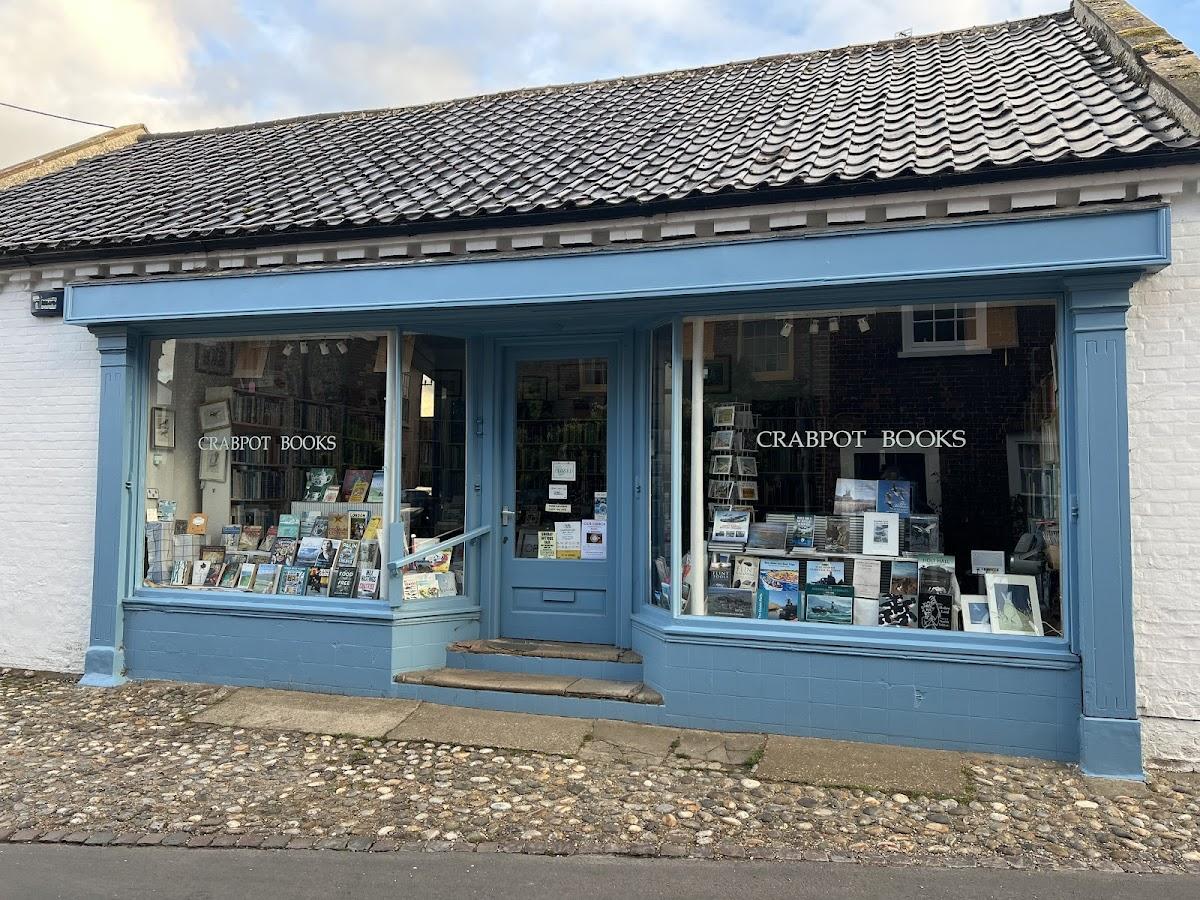
- Eat and shop in Cley village at Picnic Fayre and Crabpot Books, both on the High Street.
What Blakeney and Cley actually are
Both were serious medieval ports. Blakeney shipped wool and grain and was wealthy enough to build the church tower you can still see for miles, and Cley was busy enough to justify a windmill on the quayside. Then the channel silted up, land was reclaimed from the marsh, and the sea effectively withdrew. What was left is two flint-and-brick villages that stopped growing several centuries ago and a vast area of salt marsh, shingle and creek in front of them.
That accident is why this is such good wildlife country. The marsh between the villages and the sea is not farmed, not built on and not easily walked across, and the shingle spit of Blakeney Point curls west in front of it as a three and a half mile barrier. Birds use it as a staging post on migration, and seals haul out on the far end of the spit in numbers you will not see anywhere else in England.
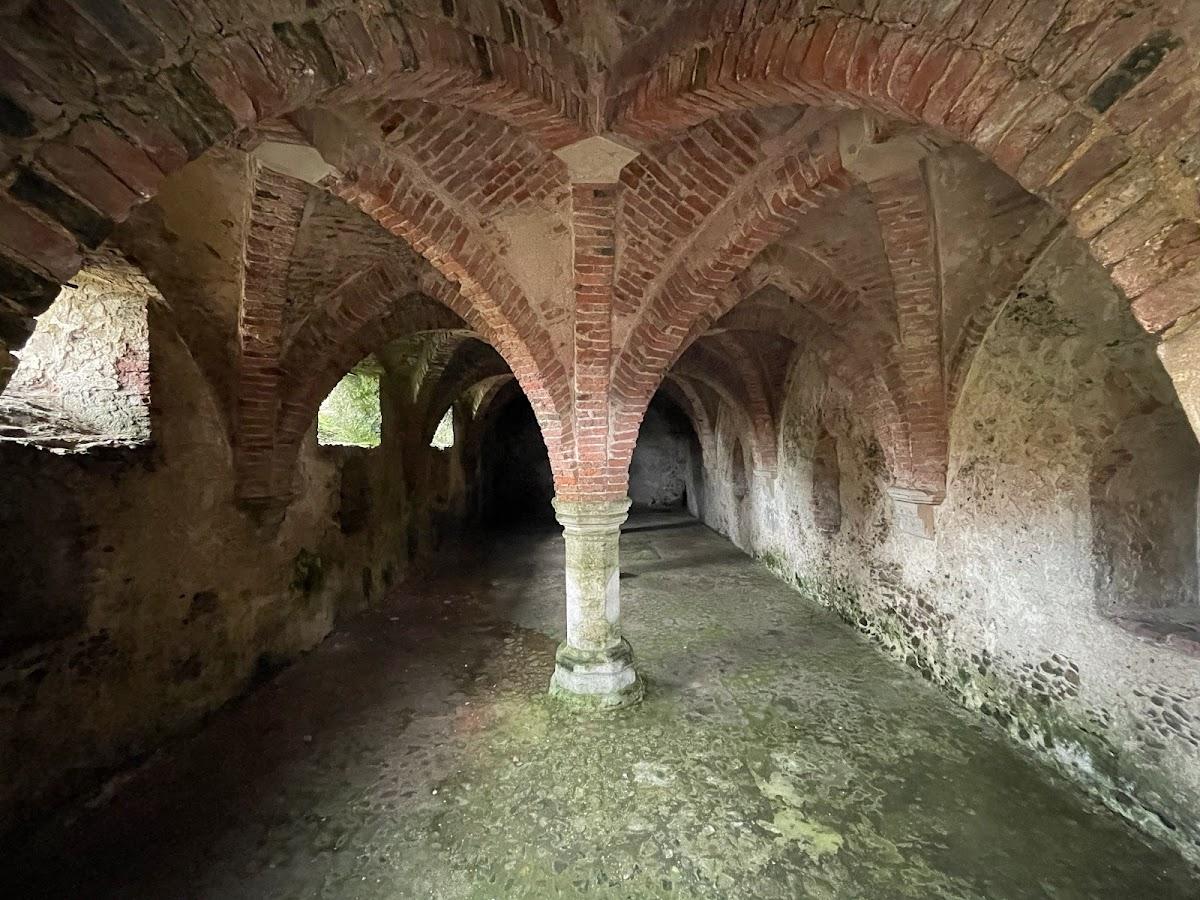
Blakeney Guildhall on Back Lane is the surviving fragment of the town's wealthy period, a fifteenth-century brick undercroft looked after by English Heritage, free to visit and easy to miss. It is the only bit of medieval Blakeney still obviously standing.
Getting there and parking
By road. Both villages sit on the A149 coast road, with Cley to the east and Blakeney to the west, about a mile and a half apart. From inland, the A148 to Holt and then the B1156 or B1149 brings you up to the coast. Morston, which is where you actually need to be for the boats, is a further mile and a half west of Blakeney on the same A149.
By train. There is no useful station. Sheringham, at the end of the Bittern Line, is the nearest and you would still need a bus or a car from there. This is a drive.
Where to park. There are three that matter, and two of them flood:
- Morston Quay, NR25 7BH, National Trust pay and display. Free for National Trust members who scan their membership card, otherwise £4 for up to three hours and £6 all day. Pay by the JustPark app or contactless at the machine. This is the seal trip car park.
- Blakeney Quay, the Carnser car park at the bottom of the village, jointly owned and managed and strictly pay and display, with exceptions for parish residents holding a permit and, again, free parking for National Trust members.
- Cley Marshes visitor centre, on the A149 just east of Cley village, which is the sensible base for the reserve.
If you are already paying for a boat trip, National Trust membership pays for a chunk of itself here before you have bought a ticket.
The flooding is not theoretical. The lower car park at Morston Quay is liable to flood on spring tides, and the higher sections go only on exceptional ones. The National Trust and Blakeney Parish Council both post signs saying they will not be liable if your car gets caught. Blakeney Quay has the same issue at the bottom end. If you are visiting on a big tide, ask on arrival or park high.
When to go
Late October to mid January is the headline, because that is when grey seal pups are born on Blakeney Point and the colony is at its most extraordinary. It is cold, the light is short and it is unarguably worth it. Note that this is also the window when the Point is closed to walkers, so a boat trip is not optional in this season, it is the only access.
June to August brings common seal pups and the easiest boat conditions, along with the crowds and the full car parks. Spring and autumn are the birdwatchers' seasons, when migration is running through Cley and the hides fill with people who know exactly what they are looking at.
There is no closed season. Seals are on the Point year round and the marsh is always doing something.
Local knowledge
Check the tide table before you leave the house, and check it for two reasons rather than one. It sets your boat's departure time, which changes every single day, and it decides whether the lower Morston car park is a car park or part of the sea. Both facts come off the same tide table, and getting them both right is the whole difference between a smooth morning and a wasted drive.
Where to eat and shop
Cley village has an unreasonably good High Street for its size. Picnic Fayre in the Old Forge is the deli, and it is one of the better ones on this coast for cheese, bread and things to take onto the marsh. Crabpot Books a few doors up is the second-hand bookshop. Cley Smokehouse on the High Street sells the smoked fish the village is known for, and is the reason a lot of people stop here at all. It has been smoking fish, shellfish, cured meats and pâtés for over thirty years, with crab and lobster landed in season from its own beach boat. The building was once the bonded warehouse where confiscated contraband was held, which tells you what this coast used to be for.
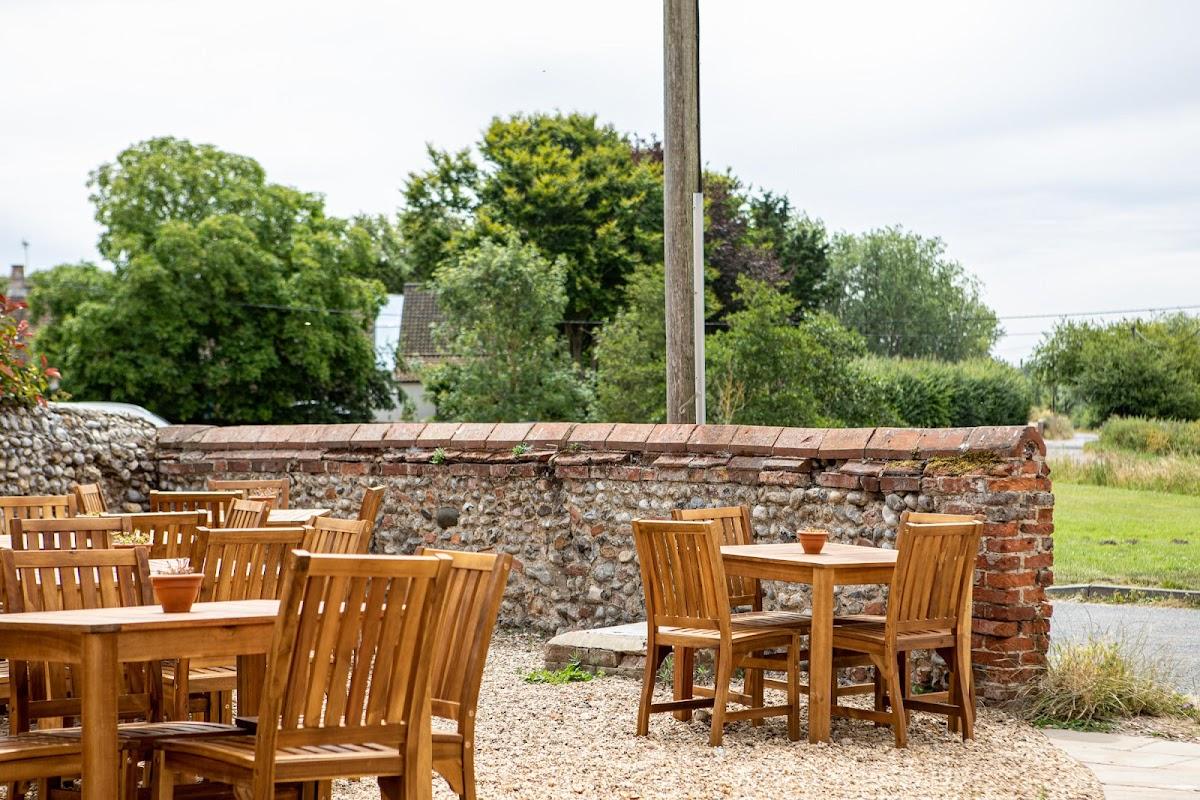
The Three Swallows on Newgate Green is the Cley pub, sitting back from the main road by the church. Out at Salthouse, three miles east, the Dun Cow looks over the marsh and is the better bet for a long lunch.
Between the two villages and slightly inland, Wiveton Hall is a fruit farm with a cafe attached, and it is the local favourite that visitors tend to drive past without noticing.
In Cley village
The seal trips to Blakeney Point
This is what most people come for, so here is the practical version.
Blakeney Point is a three and a half mile sand and shingle spit that has been in National Trust care since 1912. It holds the largest grey seal colony in England, with grey seals pupping from late October to mid January and common seals from June to August.
The scale is the thing. 8,946 pups were counted in 2023, up more than fivefold from 1,614 in 2013. The colony is now so large that the National Trust has stopped counting by hand, and since 2014 numbers have been recorded every two years by aerial survey, flown and modelled by the Sea Mammal Research Unit at St Andrews. The first pup was seen here in 1988 and five were born in 1999. It became England's largest colony in 2014.
All scheduled trips now leave from Morston Quay, not from Blakeney Quay, and this is the single most common mistake visitors make here.
The reason for the confusion is historical. Colin Bishop started running boats from Blakeney Quay out to the Point in 1965, and over the following decades demand and the silting of the harbour pushed the whole trade a mile and a half west to Morston. Bishop's Boats still carries Blakeney in its branding and the National Trust still lists it as sailing from both, and with a smaller boat the occasional trip can leave Blakeney depending on the tide. But if you are booking, assume Morston and check the confirmation.
There are five operators:
- Beans Boat Trips, running for over 50 years, daily in summer.
- Bishop's Boats, established in 1965 and the original Blakeney Quay operator, seasonal.
- Temple's Seal Trips, over 60 years, the red and white boats.
- Ptarmigan Seal Trips, daily from April until early November.
- The North Norfolk Wheelyboat 'Poppy', a wheelchair-accessible vessel running tailored trips, which is genuinely rare for a wildlife boat trip anywhere in the country.
Trips take about an hour. Some sailings land on the Point and some view from the water, so check which you are booking if landing matters to you.
You cannot walk to the seals in pupping season. Access restrictions run from late October to early January to prevent disturbance, and during that window it is not possible to reach the colony on foot. Outside it you can walk out along the spit from Cley beach, roughly three miles each way over loose shingle, which is far harder going than the distance suggests. In the season most people come for, the boat is the only way.
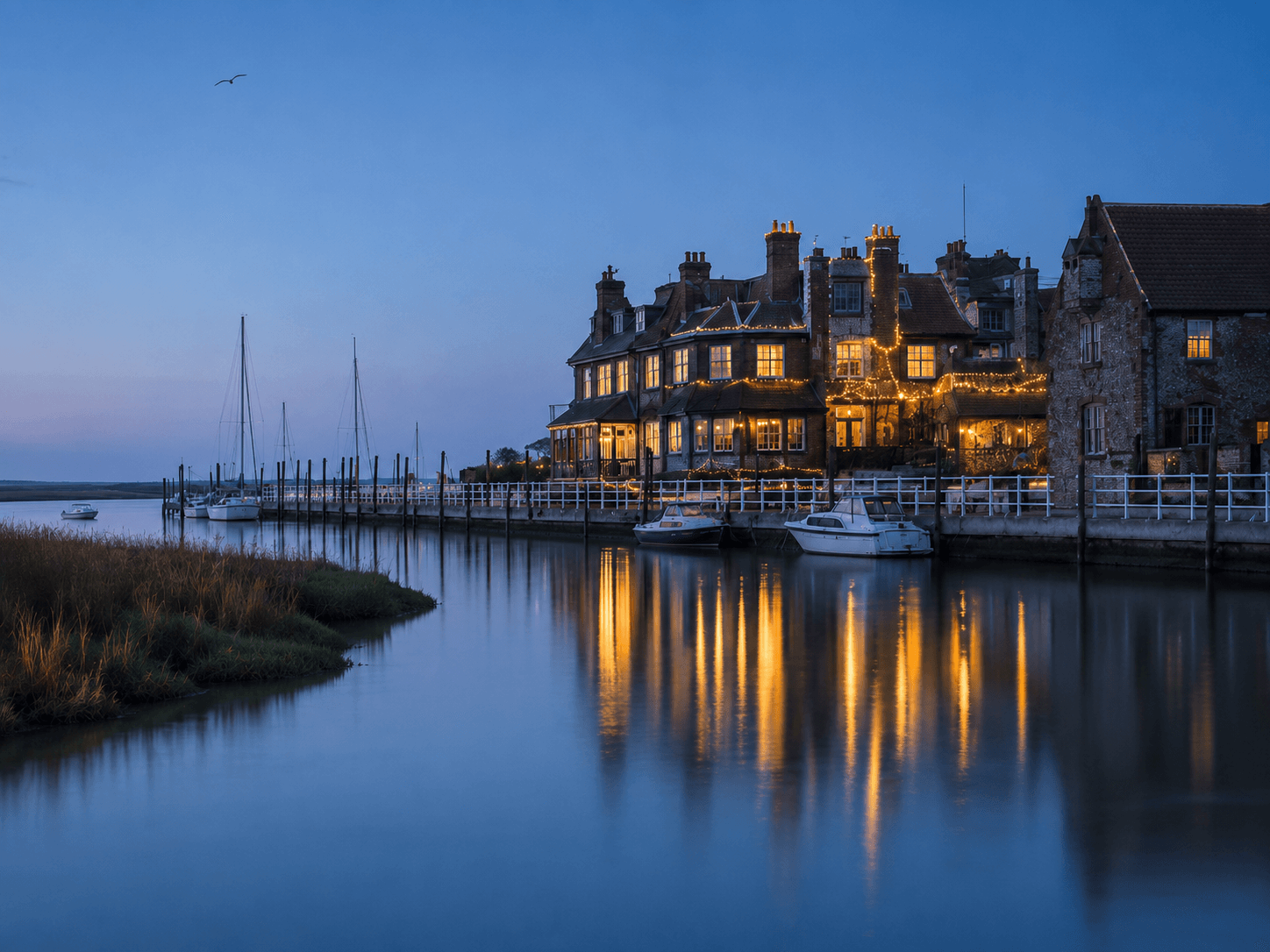
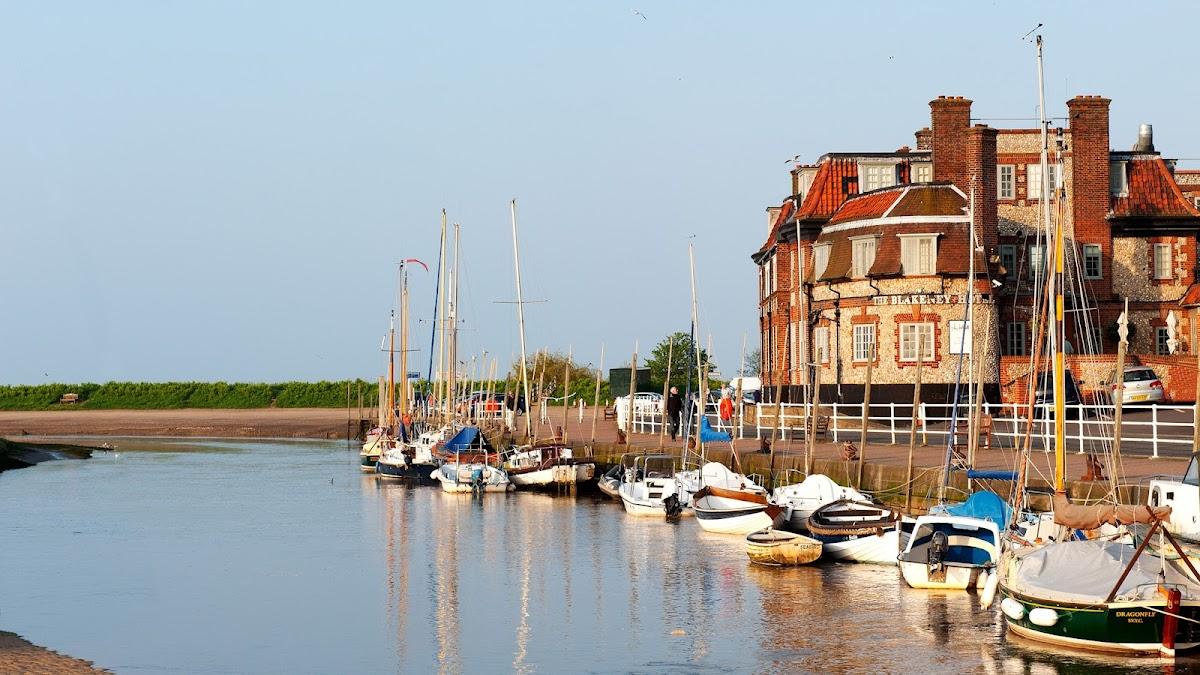
For staying, the Blakeney Hotel sits directly on Blakeney Quay with the marsh in front of it, which is the view you are paying for.
Insider pick · Blakeney
The Blakeney Hotel
The Blakeney Hotel offers waterfront accommodation on The Quay in Blakeney, Norfolk. Browse rooms, dining, and facilities for your Norfolk coastal stay.
View listingCley Marshes and the birdwatching
NWT Cley and Salthouse Marshes, still widely called Cley Marshes, is not just a good reserve, it is the original one. Norfolk Wildlife Trust bought it in 1926 to hold in perpetuity as a bird breeding sanctuary, making it the oldest reserve of the oldest county wildlife trust in the United Kingdom. Everything that followed in British county-level nature conservation followed this.
A 2012 appeal added 57 hectares linking Cley to the Salthouse reserve, creating a single coastal reserve of more than 300 hectares. It takes over 110,000 visitors a year, and a decent proportion of them are serious birders with equipment to match.
The visitor centre opened in 2007 on the rise just east of the village, on the south side of the A149, with a cafe, shop, education space and a viewing area looking north over the whole reserve.
The charging structure catches people out, so it is worth being precise. The visitor centre is free to enter for everyone, and so is the wider nature reserve. What you pay for is the combination of hide access and car parking: free for Norfolk Wildlife Trust members and for children of 16 and under, and £6.00 with Gift Aid or £5.40 standard for other adults. If you only want to park and walk the bank without using the hides, parking on its own is £6 for a day, £4 for a half day or £1.50 for an hour.
Opening hours differ between the reserve and the building. The reserve is open every day, dawn until dusk. The visitor centre and cafe run 10am to 5pm from March to the last Sunday in October, and 10am to 4pm from the last Monday in October through February, with the cafe shutting half an hour before the centre.
There are six hides, four of them reachable on boardwalks, and that is where the actual birdwatching happens. One thing to know before you drive over: only assistance dogs are permitted on the reserve or in the visitor centre. Dogs on leads are fine on Beach Road, the shingle bank and East Bank.
Cley Windmill stands on the north edge of the village, an early eighteenth-century tower mill that now runs as a bed and breakfast. Rooms are in the mill itself, where each one is a different shape because of where it sits in the tower, plus the adjoining buildings. The dining room is part of the original 1713 warehouse. It looks out over the marsh towards Blakeney Point, and it is the most distinctive place to stay on this coast.
Wells, Holt and Burnham Market
Blakeney and Cley are short on beds and shops compared with their neighbours, so most people base themselves nearby.
Holt is four to five miles inland and is the shopping and eating town, with Bakers and Larners, Byfords and the antiques trade. It is the obvious wet-afternoon answer and the best-value base. See our guide to Holt.
Wells-next-the-Sea is about eight miles west along the A149, with the harbour, the pinewoods and the beach huts, and a proper working quay. Read our guide to Wells-next-the-Sea.
Burnham Market is further west again, the polished shopping village with the Hoste on the green. Our guide to Burnham Market covers it.
Closer still, Salthouse is the shingle bank three miles east of Cley, Weybourne is the steep-shingle beach where the water gets deep quickly, and inland Binham Priory and Langham Dome, a restored wartime gunnery trainer, are the two decent rainy-day stops. For the wider beach picture, see the best beaches in Norfolk.
Seal trips are tide dependent, book before you drive
The mistake goes like this. You are staying somewhere twenty minutes away, the sun comes out after lunch, and you decide to go and see the seals. You drive to Blakeney, park on the quay, and discover that the boats go from Morston, that today's sailings were at 9:40am and 11:15am because that is when the water was high enough, that they were fully booked anyway, and that the tide is now doing something interesting to the car park.
None of that is bad luck. It is how this works.
Boats can only run around high water. The channels through the marsh between the quay and the Point dry out, so there is no service at low tide and the departure times shift by roughly an hour a day as the tides move through the month. There is no timetable in the normal sense. Each operator publishes its own sailing times per date, and they are different in the morning and the afternoon.
They must be booked in advance. On a decent summer day the trips sell out, and in the winter pupping season the good sailings go well ahead.
So the order of operations is: pick your date, look up the operator's sailings for that date, book, then plan the rest of the day around the boat rather than the other way round. Allow more time than you think for the last mile, because Morston Quay car park fills and the walk from the overflow to the departure point is not short.
Do that and it is one of the best hours on the English coast. Turn up on spec on an August afternoon and you will look at some mud.
The honest summary
Blakeney and Cley are the pair to visit if you want wildlife rather than a beach holiday. There is no sandy beach here, the villages are small and expensive, and there is not a great deal to do beyond walking, eating and looking at things through binoculars. That is the appeal and it is a narrow one.
But the seal colony is genuinely the largest in England, Cley Marshes is the reserve that started British county conservation, and the marsh between them is one of the few landscapes in England that has been left more or less alone. Book the boat first, check the tide twice, park high, and base yourself at Holt or Wells for anything resembling a shop.
Get that sequence right and this is the best day out on the north Norfolk coast. Get it wrong and it is a long drive to a closed quay.
Related listings
Nearby picks to explore
Good to know
Frequently asked questions
Morston Quay, about a mile and a half west of Blakeney, not from Blakeney Quay itself. This catches people out constantly. All the main operators run from Morston, so put Morston into your satnav rather than Blakeney, and allow extra time because that car park fills up.
Yes. Trips are popular and must be booked ahead. More importantly, departure times change every day because the boats can only run around high water, so there is no fixed timetable to turn up for. Check the operator's sailing times for your date before you set off.
Grey seal pups are born from late October to mid January, which is the spectacle most people come for. Common seals pup from June to August. Note that the Point is closed to walkers through the grey seal pupping season to prevent disturbance, so in those months a boat trip is the only way to see them.
The visitor centre and the wider reserve are free to enter for everyone. Hide access with car parking is free for Norfolk Wildlife Trust members and under-16s, and £6.00 with Gift Aid or £5.40 standard for other adults. Parking alone is £6 a day. The reserve is open dawn until dusk.
Yes. The early eighteenth century windmill on the north side of Cley operates as a boutique bed and breakfast, with rooms in the mill itself and in the adjoining buildings. It looks out over the salt marsh towards Blakeney Point, which is the reason to book it.
Be part of it
Three ways to get involved
Keep reading
More from the Journal
27 July 2026
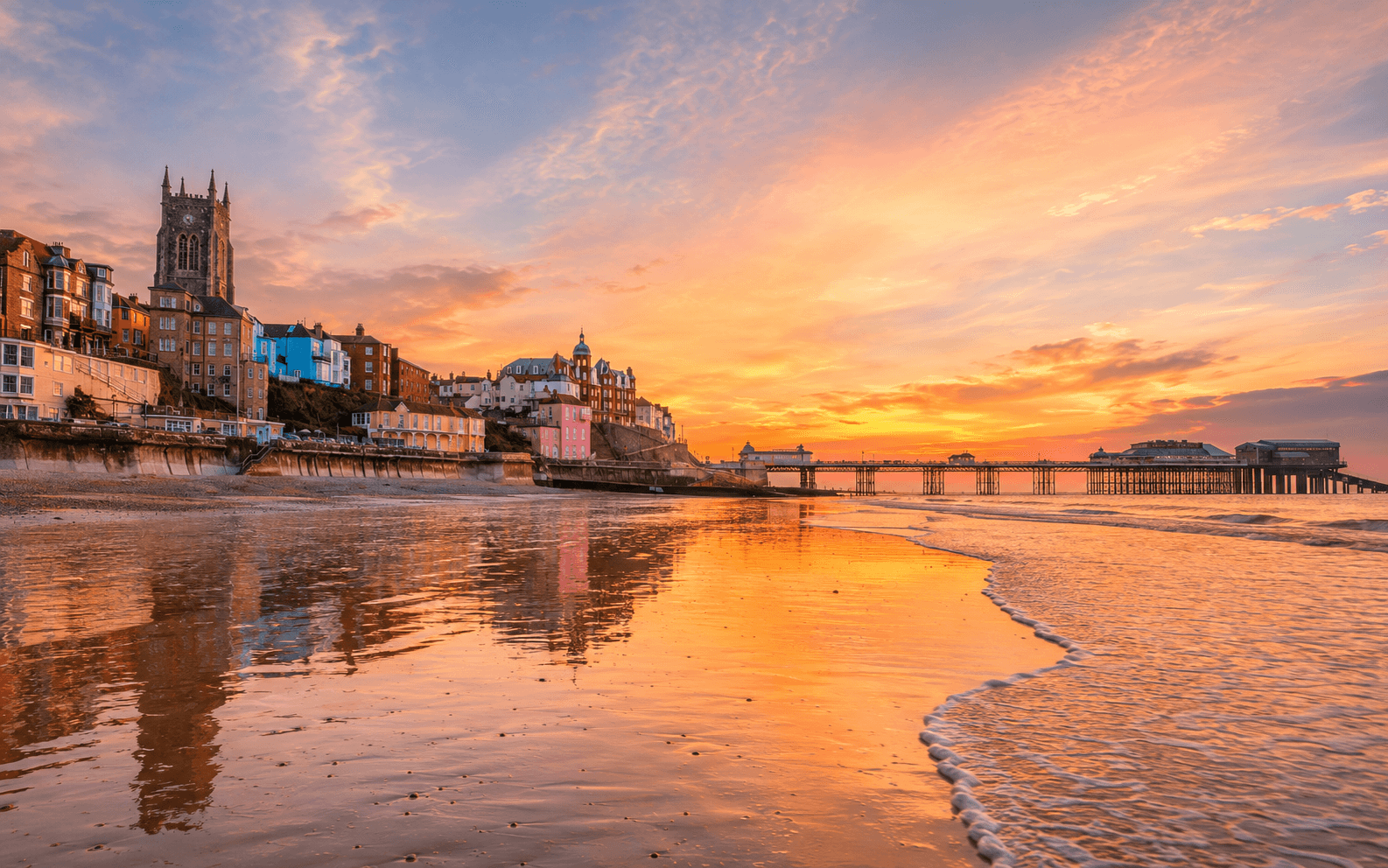
A guide to Cromer
An honest guide to Cromer, Norfolk: where to buy dressed crab and where to eat it, the last end-of-pier show in the world, and Henry Blogg.
27 July 2026
A guide to Wells-next-the-Sea
An honest guide to Wells-next-the-Sea, Norfolk: crabbing off the quay, the mile to the beach huts, why tide times matter, and Holkham next door.
27 July 2026
A guide to Aldeburgh
An honest guide to Aldeburgh, Suffolk: shingle not sand, fish straight off the beach huts, the Scallop argument, and Snape Maltings five miles inland.